
Custom Shirts and Clothes for Australian Businesses, Schools and Events
Discover how to choose, order and brand custom shirts and clothes for Australian businesses, schools and corporate events. Expert tips inside.

Written by
Max Sharma
Custom Apparel
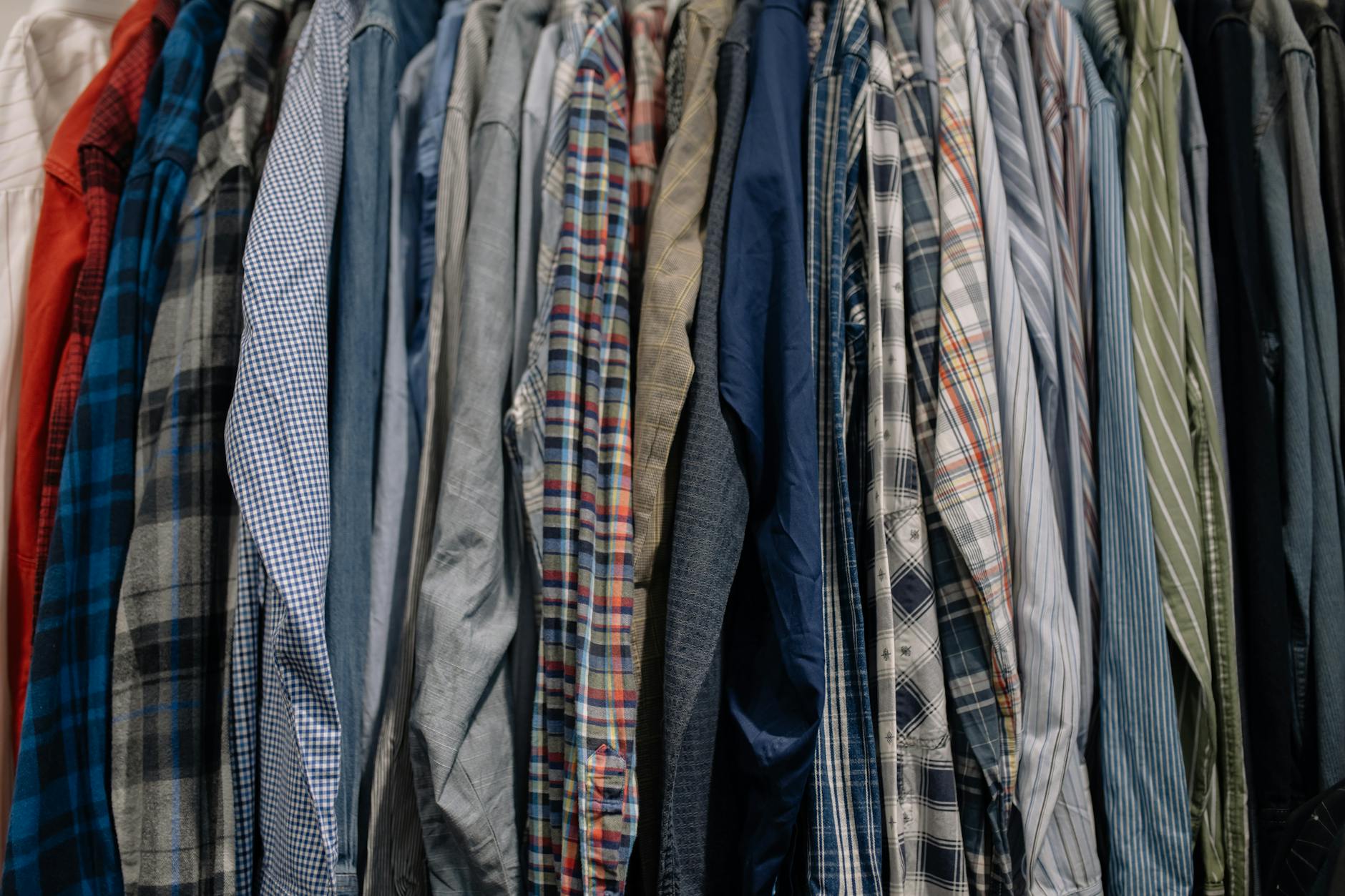
When it comes to building brand recognition, fostering team unity, or making a lasting impression at your next event, the power of well-chosen shirts and clothes simply cannot be overstated. Whether you’re a Sydney-based corporate team kitting out staff in polished polos, a Melbourne primary school preparing for sports day, or a Brisbane charity organising a community walk, branded apparel is one of the most cost-effective and visible promotional tools available. With so many options — fabric types, decoration methods, product categories, and price points — navigating the world of custom shirts and clothing can feel overwhelming at first. This guide breaks it all down so you can order with confidence.
Why Custom Shirts and Clothes Are a Smart Investment for Any Organisation
The appeal of branded apparel goes well beyond aesthetics. When your team, students, or volunteers wear clothing that carries your logo, they become walking ambassadors for your brand every single day. Unlike a flyer that gets tossed or a digital ad that disappears after a few seconds, a quality branded shirt keeps delivering impressions for months or even years.
For businesses, the return on investment is particularly compelling. Research consistently shows that branded merchandise builds stronger recall than almost any other advertising medium — and clothing sits at the top of that list because of how frequently items are worn in public. If you’re interested in the data behind this, our breakdown of trade show promotional product effectiveness statistics offers some eye-opening insights into just how impactful branded apparel can be.
Beyond marketing value, custom shirts and clothes serve a range of practical purposes:
- Team identification — Staff at retail stores, events, or trade shows are instantly recognisable
- Safety compliance — Hi-vis workwear and uniforms help meet workplace health and safety requirements
- Community cohesion — Schools, sporting clubs, and charities use matching apparel to build a sense of belonging
- Professionalism — Uniforms communicate credibility and consistency to clients and customers
Understanding Your Options: Types of Shirts and Clothes Available
One of the first decisions you’ll face is choosing the right product category. Custom apparel spans a wide range of garment types, and each serves a different purpose depending on your organisation’s needs.
T-Shirts
The humble t-shirt is the workhorse of branded clothing. Affordable, versatile, and available in an enormous range of colours, t-shirts are ideal for events, school fundraisers, charity walks, and casual team uniforms. Minimum order quantities (MOQs) typically start from as low as 20–50 pieces for standard screen-printed styles, making them accessible even for smaller organisations.
A Gold Coast surf school, for example, might order 100 branded t-shirts in vibrant summer colours for their instructors and seasonal staff — practical, on-brand, and budget-friendly.
Polo Shirts
For a more polished look without the formality of a business shirt, the polo sits in a perfect middle ground. Polished enough for corporate environments, yet comfortable enough for outdoor settings, branded polos are a staple in real estate, healthcare, education, and trade services. If you’re considering this option, our detailed guide on polo shirts with logos covers everything from fabric choices to the best decoration methods.
Hoodies and Sweatshirts
Particularly popular in cooler climates like Canberra, Hobart, and Melbourne, branded hoodies and sweatshirts are enormously practical for staff, students, and event merch. They also tend to have a longer useful life than lighter garments, meaning more brand impressions over time.
Workwear and Hi-Vis Clothing
For construction, mining, logistics, and other high-risk industries, hi-vis shirts and jackets aren’t just a branding opportunity — they’re a legal requirement. When ordering workwear, always confirm that garments comply with Australian Standards (AS/NZS 4602.1:2011 for high-visibility safety garments). You can also complement your workwear order with items like promotional branded safety helmet stickers for full site identification.
Caps and Headwear
While not technically a shirt or jacket, caps are frequently ordered alongside apparel as part of a complete uniform or event package. They pair especially well with t-shirts and polos for outdoor events, sports days, and trade shows.
Decoration Methods: How Your Logo Gets onto the Garment
The decoration method you choose has a significant impact on the finished look, durability, and cost of your branded shirts and clothes. Here’s a quick overview of the most common options:
Screen Printing
Screen printing is the go-to method for high-volume t-shirt orders. It produces vibrant, durable results and becomes increasingly cost-effective as quantities rise. It’s best suited to designs with solid colours (up to around 6 colours), and setup fees apply per colour. For a Perth sporting club ordering 200 team shirts, screen printing is almost always the most economical choice.
Embroidery
Embroidery gives garments a premium, textured finish that reads as professional and long-lasting. It’s the preferred method for polo shirts, corporate uniforms, and caps. Logos are stitched directly into the fabric using commercial embroidery machines, and the result holds up exceptionally well through repeated washing. Keep in mind that intricate designs with very fine detail may need to be simplified for best results.
Heat Transfer and Sublimation
Heat transfer works well for smaller runs and more complex, full-colour artwork. Sublimation, on the other hand, is ideal for fully custom-designed sportswear and activewear — the dye becomes part of the fabric rather than sitting on top of it. Both methods are worth considering for niche or custom applications.
Direct-to-Garment (DTG) Printing
DTG printing operates similarly to a standard inkjet printer but on fabric, making it well-suited for short runs (even single pieces) with photo-quality, multi-colour designs. The trade-off is that it can be less cost-effective at scale compared to screen printing.
Planning Your Order: Practical Tips for Getting It Right
Once you’ve chosen your garment type and decoration method, there are several important planning considerations to keep in mind before placing your order.
Set a Realistic Budget
Custom apparel costs vary widely depending on garment quality, decoration method, quantity, and number of print positions. As a rough guide, branded t-shirts typically start from around $8–$18 per unit at volume, while embroidered polos might range from $25–$60 depending on the garment brand and stitch count. Don’t forget to factor in one-off setup fees (often $40–$80 per colour for screen printing) and GST.
For seasonal ordering inspiration, our guide to spring corporate giveaways in Australia includes apparel ideas alongside other promotional products worth considering together.
Understand Turnaround Times
Standard production for custom shirts typically runs 10–15 business days after artwork approval, though this varies by supplier and decoration method. Rush options are often available for an additional fee. If you’re ordering for a specific event — say, a Brisbane expo or an Adelaide school carnival — always build in extra time to account for artwork revisions, courier transit, and any unforeseen delays.
Nail Your Artwork
Artwork requirements for branded clothing are strict. Most suppliers require vector files (AI, EPS, or PDF format) for screen printing and embroidery to ensure crisp, scalable reproduction. Rasterised images (JPG, PNG) at low resolution won’t cut it. Always request a visual proof or digital mock-up before approving production, and confirm PMS colour matching if brand consistency is critical.
Order Samples When the Budget Allows
For large orders, requesting a pre-production sample is worth the modest cost. It allows you to assess garment quality, fit, sizing, and decoration accuracy before committing to the full run — especially important if your staff or students will be wearing the items regularly.
Pairing Shirts and Clothes with Other Branded Merchandise
Custom apparel rarely exists in isolation. For maximum brand impact, shirts and clothes pair beautifully with complementary promotional products. A corporate event in Sydney, for example, might combine branded polos with custom stubby holders, personalised mugs, and branded table cloths for a cohesive, professional setup.
Schools ordering uniform t-shirts might also explore products on promotion for budget-friendly additions like lanyards, stationery, or drink bottles. Community organisations running eco-focused campaigns might pair apparel with wheat straw branded merchandise or promotional succulent plant pots to reinforce their values.
For organisations in Western Australia, it’s also worth exploring local suppliers and sourcing options — our guide to promotional products in Western Australia is a useful starting point for Perth-based businesses and organisations.
If your order is for a specific niche event, there’s a world of complementary products to consider. Community events might explore refugee week branded merchandise or promotional pet treat bags for animal shelters, while agricultural shows might combine apparel with promotional honey jars. Car enthusiasts’ gatherings could pair event shirts with promotional merchandise for car shows.
Conclusion: Key Takeaways for Ordering Custom Shirts and Clothes
Custom shirts and clothes remain one of the most powerful and enduring tools in the branded merchandise toolkit. Whether you’re a Canberra government department, a Darwin construction firm, or an Adelaide school fundraising committee, well-chosen branded apparel delivers visibility, professionalism, and lasting value.
Here are the key points to take away from this guide:
- Choose the right garment type for your audience and purpose — t-shirts for casual and event use, polos for corporate settings, hi-vis for workplace safety compliance
- Match your decoration method to your design and quantity — screen printing for high-volume simple designs, embroidery for a premium finish, DTG for short runs with complex artwork
- Plan your timeline carefully — allow at least 3–4 weeks from brief to delivery to avoid last-minute stress
- Prepare print-ready artwork in vector format and always approve a proof before production commences
- Bundle your apparel with complementary branded products to maximise brand impact across events, workplaces, and campaigns
With the right planning and a clear brief, ordering custom shirts and clothes for your Australian business, school, or organisation is a straightforward process that delivers outstanding results.