
Shirts and Print: The Complete Guide to Custom Printed Apparel for Australian Organisations
Discover everything you need to know about shirts and print — decoration methods, MOQs, budgets, and tips for Aussie businesses and schools.

Written by
Max Sharma
Custom Apparel
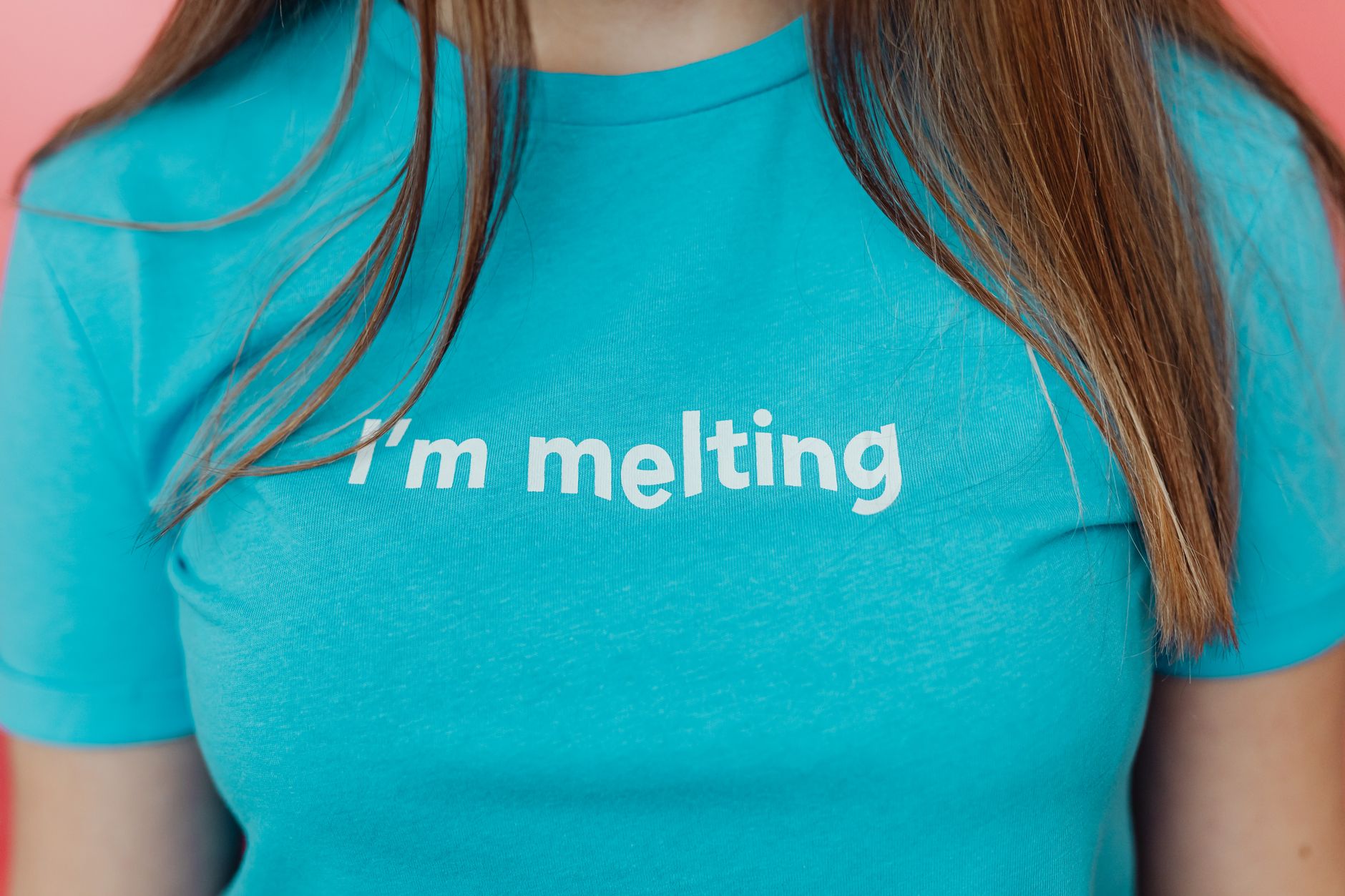
When it comes to promotional merchandise and branded apparel, few combinations are more powerful than shirts and print. Whether you’re running a corporate event in Sydney, kitting out a school sports day in Brisbane, or supplying branded uniforms for a Melbourne-based business, custom printed shirts remain one of the most cost-effective and visible ways to communicate your brand, build team identity, and leave a lasting impression. But getting the most out of your investment means understanding the nuances of print methods, fabric choices, MOQs, and artwork requirements before you place your order. This guide covers everything Australian organisations need to know.
Why Shirts and Print Continue to Dominate Branded Merchandise
There’s a reason custom apparel consistently ranks among the top-selling promotional product categories in Australia. A well-printed shirt doesn’t just get worn once — it becomes a walking advertisement every time someone pulls it on. Research consistently shows that branded apparel generates more impressions per dollar than almost any other form of advertising. For businesses, schools, and not-for-profit organisations alike, that kind of value is hard to ignore.
Think about the scenarios where branded shirts show up. A Gold Coast real estate agency wants their team looking sharp and consistent at open homes. A Canberra government department needs identifying shirts for a community event. A Perth primary school is ordering custom tees for their annual athletics carnival. In every case, the shirt becomes both a functional item and a brand asset. And the quality of the print determines how professional — or otherwise — that brand asset looks in the real world.
If you’ve already explored options like high-performance promotional t-shirts for your organisation, you’ll know the range of styles and fabrics available is enormous. The key is matching the right product to the right print method.
Understanding Your Print Options: The Core Decoration Methods
Not all print methods are created equal, and choosing the wrong one for your shirt style, fabric type, or budget can lead to disappointing results. Here’s a breakdown of the main techniques used in Australia today.
Screen Printing
Screen printing is the industry workhorse — and for good reason. It produces vibrant, durable prints that wash well over time, making it ideal for bulk orders. If you’re ordering 50 or more identical shirts, screen printing will almost always be the most cost-effective approach. Each colour in your design requires a separate screen, which means setup fees apply. However, once those screens are created, the per-unit cost drops significantly as quantities increase.
This method is best suited to bold, flat-colour logos and designs. Gradients and photographic images are more challenging (and expensive) to reproduce via screen printing. If your design features a detailed photograph or complex shading, you may want to consider digital printing instead.
Direct-to-Garment (DTG) Digital Printing
DTG printing allows for full-colour, photo-quality prints directly onto fabric with no setup fees. This makes it an excellent choice for low-quantity orders, one-off pieces, or designs with complex artwork and multiple colours. A small business in Adelaide needing 10 shirts with a detailed full-colour logo, for example, would benefit from DTG over screen printing.
The trade-off is that DTG typically costs more per unit at higher volumes, and it works best on 100% cotton or high-cotton-blend fabrics. Synthetic fabrics and polyester blends may not absorb the ink as effectively, leading to a less vibrant result.
Heat Transfer and Sublimation
Heat transfer involves applying a pre-printed design onto the shirt using heat and pressure. It’s a versatile method that works across a range of fabrics and is particularly popular for sports uniforms and fashion-forward designs. Sublimation printing, a form of heat transfer, bonds the ink directly into the fabric fibres — making it ideal for fully custom, all-over-print polyester garments.
Sublimation is the go-to method for vibrant, edge-to-edge designs on performance wear. If you’re looking at something like Nike golf polo shirts for a corporate golf day, sublimation can achieve stunning results on moisture-wicking fabric.
Embroidery vs. Print
It’s worth noting that embroidery — while not a print method — is often considered alongside print when organisations are choosing a decoration technique. Embroidery delivers a premium, structured look that suits polo shirts, corporate uniforms, and caps. It tends to be more expensive per piece, especially for complex designs, but it offers exceptional durability and a professional finish that print can’t quite replicate.
Many organisations combine both: screen printing on the back or chest of a t-shirt, and embroidery on a cap or polo collar. This layered approach can work beautifully for team kits and corporate gifting packages.
Choosing the Right Shirt Style for Your Print Method
The shirt you choose has a significant impact on how your print will look and last. Here are the main style categories and what to consider for each.
T-Shirts
The classic promotional t-shirt is the most commonly printed garment in Australia. Cotton or cotton-polyester blends are the most popular base fabrics. For screen printing and DTG, aim for a minimum 80% cotton content for best ink absorption. Ringspun cotton offers a softer feel and a smoother print surface compared to standard open-end cotton.
Polo Shirts
Polo shirts are a step up in formality and are popular for corporate uniforms, trade shows, and events. The piqué texture of a traditional polo can make large flat-colour screen prints look slightly uneven — embroidery or heat transfer tend to work better for this fabric. If you’re ordering polos as corporate gifts for clients, the finish really matters.
Hoodies and Long-Sleeve Shirts
As the cooler months approach, many Melbourne and Hobart-based organisations look to branded hoodies and long-sleeve tees. These work well with screen printing, DTG, and embroidery. Keep in mind that print placement options expand with longer garments — sleeve prints and full-back designs are popular on hoodies.
Hi-Vis and Workwear
For organisations in construction, mining, logistics, or field services, branded hi-vis shirts are essential. Print on hi-vis garments must comply with Australian safety standards and shouldn’t obscure reflective tape. Screen printing and heat transfer are both commonly used on hi-vis apparel.
Budgeting for Your Shirts and Print Project
Getting your budget right before approaching a supplier will save you time and prevent surprises. Here are the key cost components to factor in.
Setup fees: Screen printing typically incurs a setup fee per colour per screen — usually ranging from $30 to $60 per colour in Australia. DTG and heat transfer often have lower or no setup fees.
Per-unit cost: Bulk orders significantly reduce the per-unit price. A screen-printed shirt that costs $18 each at 50 units might drop to $12 each at 200 units. Always request pricing at multiple quantity breaks.
Artwork preparation: If your files aren’t print-ready (vector format, correct colour profiles), you may incur artwork fees. Providing high-resolution vector files (AI or EPS formats) upfront avoids delays and additional charges.
Samples: For large or important orders, always request a pre-production sample. It adds a few days to your timeline but protects you from receiving hundreds of shirts with a misaligned print or wrong colour.
Turnaround times: Standard turnaround in Australia is typically 10–15 business days from artwork approval. Rush orders are possible but come at a premium. Plan ahead — particularly if you’re ordering for a fixed event date.
Practical Tips for Schools, Businesses, and Event Organisers
Getting the details right makes the entire shirts-and-print process smoother. Here’s what experienced buyers across Australia have learnt the hard way.
- Consolidate your size run early. Collecting size information from 100+ staff or students takes longer than you’d expect. Build extra time into your planning.
- Stick to two colours or fewer for screen printing if you’re budget-conscious. Every additional colour adds cost.
- Consider the full merchandise package. Branded shirts pair brilliantly with other promotional items. A conference pack might include a shirt alongside personalised lunch bags, a reusable drink bottle, or personalised shopping bags for a polished, cohesive look.
- Check washing instructions for your fabric and print method before distributing. Informing recipients how to care for their shirt extends its life and keeps your branding looking sharp.
- Think beyond the chest logo. Back prints, sleeve prints, collar insides, and hem tags are all opportunities to add messaging, URLs, or creative design elements.
For event organisers putting together a complete branded experience, shirts work well alongside other merchandise categories. A well-run trade show booth, for instance, might pair branded staff shirts with branded tablecloths, trestle table covers, and printed promotional merchandise to create a professional, unified presence.
Schools and universities ordering shirts for carnivals or orientation weeks often bundle them with accessories like personalised trucker caps to complete the look. And for healthcare organisations or conference events, smaller items like nursing badge reels or custom mouse pads can complement the shirt order as part of a broader gift or welcome pack.
Drinkware is another natural pairing — a branded shirt alongside a custom printed protein shaker or a promotional cooler bag creates a thoughtful gift set that gets real, everyday use. You might also consider pairing with items like a plastic wine cup for outdoor or sporting events, or paper for cups if you’re running a branded café or hospitality activation alongside your event.
Conclusion: Key Takeaways for Getting Shirts and Print Right
Custom printed shirts are one of the most versatile, high-impact, and cost-effective tools available to Australian businesses, schools, and organisations. Whether you’re ordering 25 shirts for a small team or 500 for a national conference, the fundamentals remain the same: choose the right product, match it to the right print method, prepare your artwork correctly, and plan your timeline carefully.
Here are five key takeaways to carry with you:
- Match your print method to your design complexity and quantity — screen printing suits bulk simple designs; DTG suits low-run detailed artwork.
- Budget beyond the shirt itself — setup fees, artwork costs, and sampling can add 15–25% to your initial estimate.
- Plan for realistic turnaround times — 10–15 business days is standard; always add buffer time for event-critical orders.
- Consider the full merchandise package — shirts work best as part of a cohesive branded collection rather than a standalone item.
- Provide print-ready vector artwork — this single step eliminates the most common delays and unexpected costs in any shirts-and-print project.