
How Promotional Branded Breathing Exercise Cards Can Support Anxiety in the Workplace and Beyond
Discover how promotional branded breathing exercise cards for anxiety support can boost wellbeing at work, school, and events across Australia.

Written by
Luna Bell
Event Merchandise
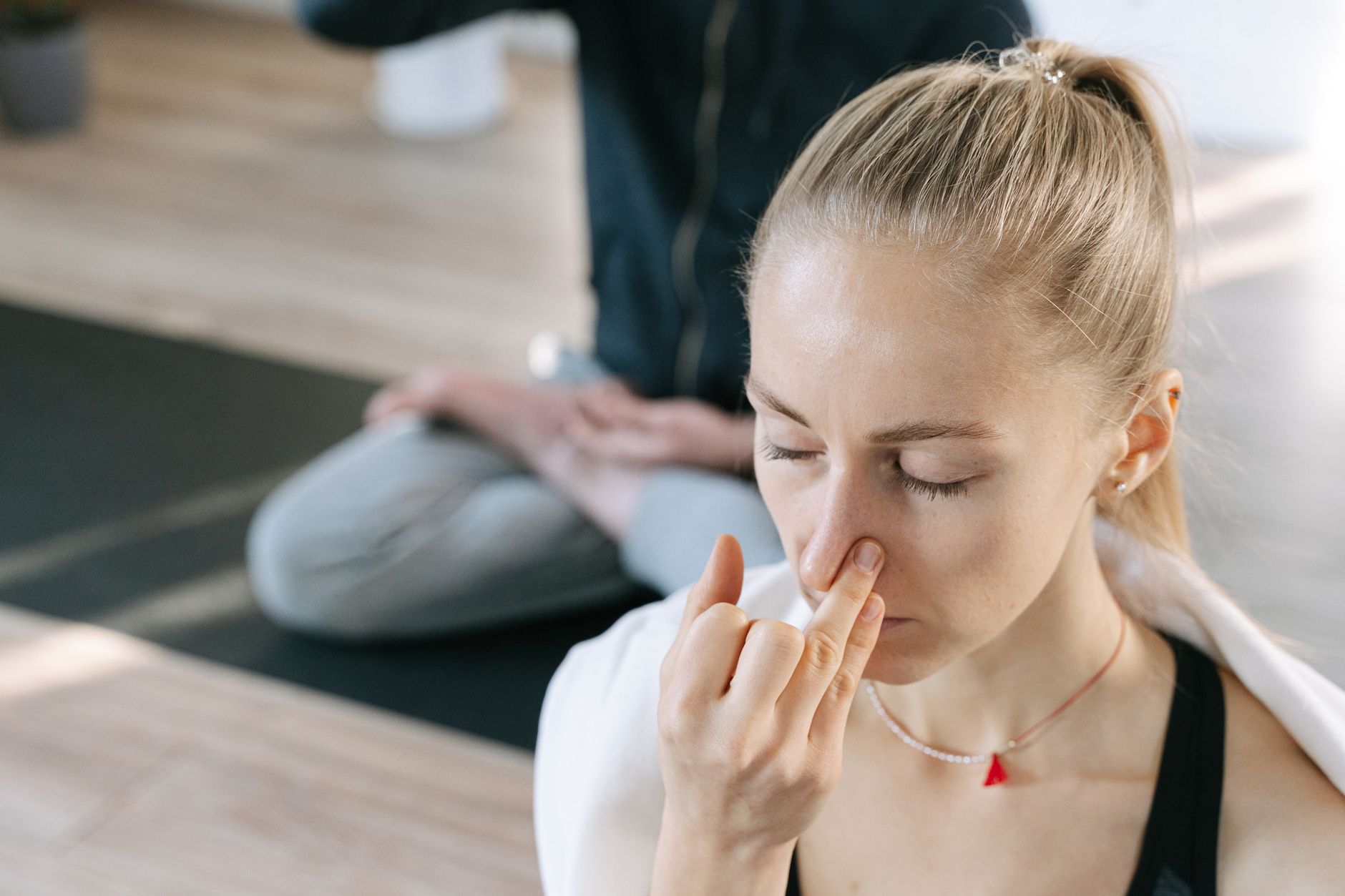
Workplace wellbeing has never been more important — and organisations across Australia are increasingly looking for creative, meaningful ways to show they genuinely care about the people they serve. Among the more innovative health and wellness promotional products to emerge in recent years, branded breathing exercise cards for anxiety support stand out as both genuinely useful and deeply thoughtful. Whether you’re a Sydney-based HR team planning a mental health awareness campaign, a Brisbane school preparing for exam season, or a Melbourne corporate hosting a wellness event, these compact, practical cards offer something far more valuable than a typical branded giveaway. They give people a tool they can actually use in a moment of need.
What Are Promotional Branded Breathing Exercise Cards?
Breathing exercise cards are small, portable printed cards — typically business card size or slightly larger — that guide the holder through one or more breathing techniques designed to reduce stress and manage anxiety. Common techniques featured on these cards include box breathing (inhale for four counts, hold for four, exhale for four, hold for four), the 4-7-8 method, diaphragmatic breathing prompts, and simple mindfulness anchoring exercises.
What makes them promotional is the customisation. Your organisation’s logo, brand colours, website, and contact details are printed alongside the wellness content. Done well, the branding feels natural and purposeful — not intrusive. The card communicates that your brand is associated with care, wellbeing, and practical support.
These cards are typically printed on durable card stock, often with a matte or soft-touch laminate finish that adds a premium feel. Some organisations opt for a small credit-card-sized format so recipients can keep them in a wallet or lanyard pocket, while others prefer a slightly larger format — say, A6 — that allows for more detailed breathing instructions and visuals. If you’re exploring the broader landscape of wellness-focused items, it’s worth reading our guide to health and wellness promotional products for Australian organisations for context on how these cards fit into a wider strategy.
Why Branded Breathing Exercise Cards for Anxiety Support Are Growing in Popularity
Australia’s national conversation around mental health has shifted significantly over the past decade. Organisations — from government departments to small businesses to primary schools — are now expected to take an active, visible role in supporting the mental wellbeing of their teams, students, and communities. Promotional branded breathing exercise cards for anxiety support sit at the intersection of two growing trends: purpose-driven branded merchandise and preventative mental health support.
Unlike branded pens or tote bags, these cards carry intrinsic value in a moment of distress. A person who receives one at a conference and slips it into their bag might pull it out weeks later during a stressful commute. A student who gets one before HSC exams in New South Wales might return to it multiple times throughout the exam period. That kind of long-term utility is rare in the world of promotional products.
There’s also a strong fit with corporate social responsibility (CSR) initiatives. Many Australian businesses use wellness campaigns tied to events like R U OK? Day, World Mental Health Day (October), and Stress Awareness Month to distribute these cards alongside broader awareness messaging. For more ideas on how to align your merchandise with important health observances, take a look at our guide to planning promotional products for awareness campaigns.
The Shift Toward Purpose-Led Promotional Products
The broader industry trend is clear: recipients — whether they’re employees, students, or conference attendees — respond more positively to branded items that serve a genuine purpose. Purpose-led merchandise builds brand affinity in a way that novelty items simply can’t. A card that helps someone regulate their nervous system creates a moment of connection between that person and your organisation. That’s powerful brand storytelling with a very small footprint.
Who Should Consider Ordering Branded Breathing Exercise Cards?
The beauty of this product is its versatility. Let’s look at some of the most compelling use cases across different Australian sectors.
Corporate Businesses and HR Teams
A Sydney financial services firm running a mental health month campaign might distribute branded breathing exercise cards as part of a wellbeing kit alongside items like a branded keep cup and a wellness journal. For HR teams managing high-pressure environments — legal firms, healthcare administration, emergency services support staff — these cards offer a low-cost, high-impact tool that reinforces a culture of psychological safety. They’re also excellent inclusions in employee onboarding kits. If you’re building out a comprehensive welcome pack, our guide to the best products for employee onboarding kits has plenty of complementary ideas.
Schools and Universities
Exam stress is a genuine mental health challenge for students across Australia, from Year 12 students in Victoria sitting VCE exams to first-year university students in Perth navigating the transition to independent study. A school counsellor or student services team that distributes branded breathing cards during exam prep periods is providing a concrete, evidence-based coping tool. Schools can include their school logo and colours, along with a QR code linking to further support resources on their website or a mental health helpline like Beyond Blue.
Universities and TAFEs in Adelaide, Brisbane, and Hobart have also begun incorporating wellness merchandise into orientation week packs — and breathing exercise cards are a natural fit. For more on educational institution merchandise, see our overview of promotional products for schools and universities.
Healthcare and Allied Health Organisations
GP clinics, psychology practices, hospitals, and allied health providers across Australia are increasingly using wellness cards as patient touchpoints. A Melbourne psychology practice might hand out branded breathing cards in their waiting room as a way of both supporting patients and reinforcing their professional identity. The branding here needs to be subtle — the wellness content should lead, with the logo and contact details complementing rather than dominating the design.
Events, Conferences, and Expos
Mental health and HR conferences are obvious venues, but these cards work well at almost any professional event where attendees might experience stress — large trade shows, government summits, education conferences. A Perth HR expo might include a branded breathing card in every delegate satchel alongside other event merchandise. The card becomes a talking point, a differentiator, and something attendees are genuinely glad to have. For more on building effective delegate packs, read our guide to conference bags and event merchandise.
Charities and Not-for-Profits
Mental health charities, community support organisations, and not-for-profits running anxiety support programs are among the most natural fit for this product. A charity operating across Queensland might distribute cards at community outreach events, in support group settings, or through GP referral networks. Because MOQs for card printing are typically accessible — often starting from as few as 250 units — even organisations with limited budgets can make this work.
Customisation and Decoration Considerations
Getting the design right is crucial for promotional branded breathing exercise cards for anxiety support. Here are the key considerations.
Artwork and Layout
The most effective cards balance functional content with clean, calming design. Choose muted, soothing colour palettes — soft blues, greens, warm neutrals — over bold, high-contrast branding. Use clear, readable typography with generous spacing. If you’re commissioning original artwork, consider incorporating simple line illustrations of breathing cues (an expanding circle, wave patterns, or concentric rings work well). Your logo should be present but restrained — typically in one corner or on the reverse side.
For artwork preparation, your supplier will generally require print-ready files in CMYK colour mode at 300dpi. PMS colour matching is available for more precise brand colour reproduction if required. For more on preparing artwork for print, our guide to artwork requirements for promotional products covers the essentials.
Printing and Finishing Options
Digital printing is the standard decoration method for card-format wellness products, offering excellent colour fidelity and full-colour artwork reproduction. The most popular finishing options include:
- Matte laminate: Reduces glare and gives a soft, premium feel — ideal for wellness content
- Gloss laminate: More vibrant colour but can feel clinical; less commonly chosen for this product type
- Soft-touch laminate: A velvety tactile finish that adds perceived value and feels calming in the hand
- Spot UV: A gloss coat applied to specific areas (like a logo) over a matte base — creates a subtle, sophisticated contrast
Card stock weight matters too. A minimum of 350gsm is recommended for a card that feels durable and premium rather than flimsy.
QR Codes and Digital Integration
Adding a QR code that links to a video demonstration of the breathing technique, a mental health resource page, or a workplace wellbeing hub is a smart way to extend the card’s value. This also gives you the ability to track engagement if you’re running a structured campaign. Ensure the QR code is sized correctly for reliable scanning — your supplier or artwork team can advise on minimum dimensions. For more on integrating digital elements into your merchandise, our guide to QR codes on promotional products is a helpful resource.
Ordering, MOQs, and Budgeting
Typical minimum order quantities for custom printed cards in Australia start from around 250 units, with pricing scaling down per unit as quantities increase. At 500 units, you’re generally in a very cost-effective price range for a high-quality finished card. Setup fees may apply for first-time orders to cover artwork preparation and plate setup.
Turnaround time for standard orders is typically five to ten business days once artwork is approved — though express options are often available if you’re working to a tight event deadline. Always factor in proof approval time when planning your timeline. If you need items for a specific event date, communicate that upfront. For guidance on managing timelines, our post on how to plan your promotional product orders ahead of time is well worth a read.
For organisations ordering alongside other wellness merchandise — branded notebooks, keep cups, or lanyards — ask your supplier about bundle pricing. Ordering multiple products together often unlocks better rates. You can explore complementary product options in our guide to corporate wellness merchandise bundles.
Conclusion: Key Takeaways
Promotional branded breathing exercise cards for anxiety support represent a genuinely meaningful category of wellness merchandise — one that’s growing in relevance as Australian organisations take mental health more seriously. Here’s what to keep in mind as you explore this option:
- Purpose over novelty: These cards earn their place in a branded merchandise strategy because they offer genuine, lasting utility in moments of real need — something most promotional products can’t claim.
- Versatility across sectors: From corporate HR campaigns to school counselling services, healthcare waiting rooms to conference delegate bags, the use cases are broad and compelling.
- Design matters enormously: Calming colours, clean typography, and restrained branding will always outperform loud, logo-heavy layouts on a wellness product.
- Digital integration adds value: A well-placed QR code can significantly extend the card’s usefulness and connect recipients to deeper support resources.
- Plan your timeline and budget early: With standard turnarounds of five to ten business days and accessible MOQs, these cards are achievable even for smaller organisations — but good planning ensures the best outcome.
When your brand is associated with something that genuinely helps someone through a difficult moment, that’s not just good marketing. That’s the kind of connection that builds lasting loyalty and trust.