
Paper for Cups: What Australian Businesses Need to Know Before Ordering Branded Drinkware
Discover how paper cup materials affect your branded drinkware choices. A practical guide for Australian businesses, schools, and events.

Written by
Theo Rodriguez
Drinkware
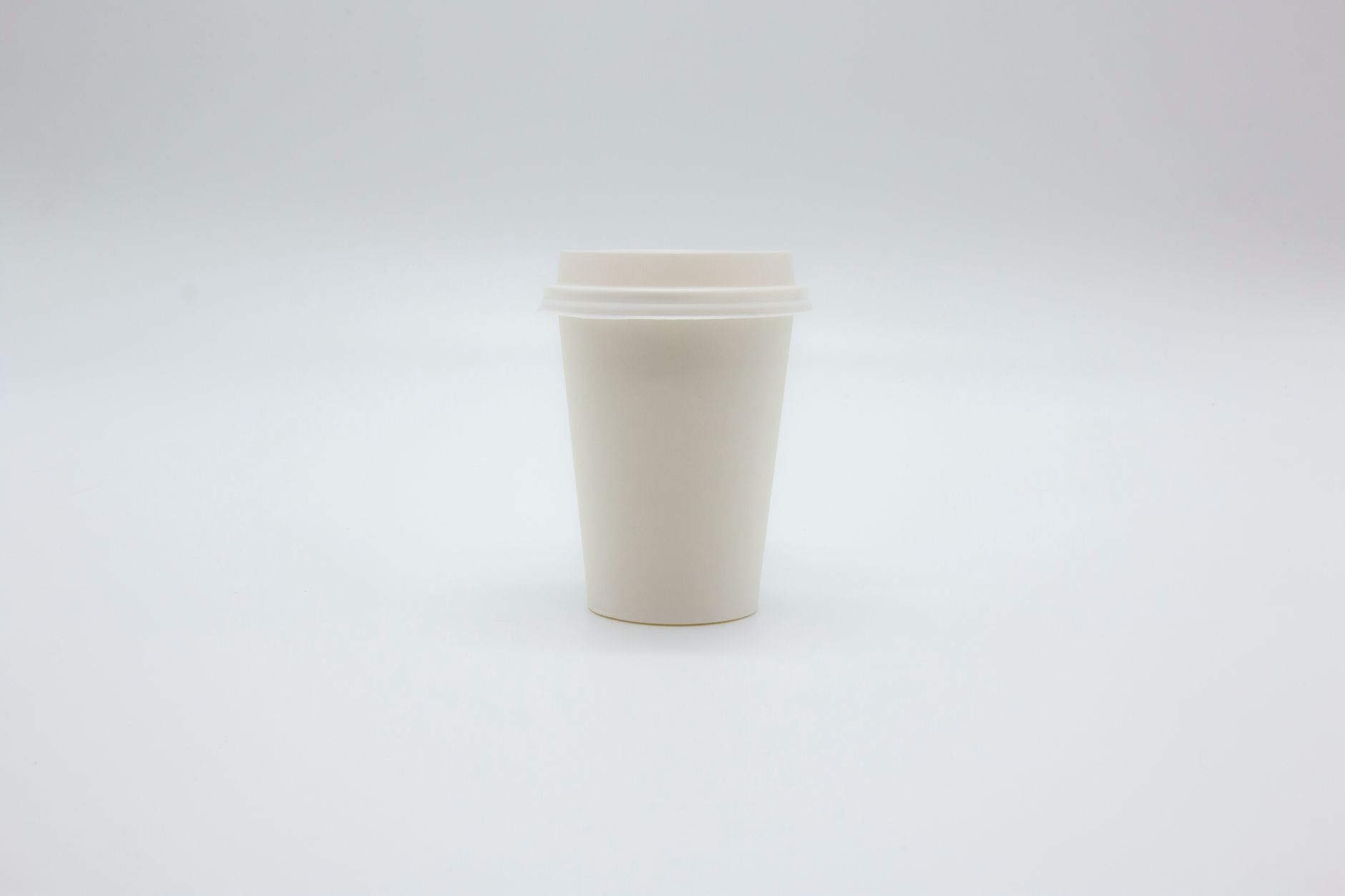
Choosing the right paper for cups might not seem like the most glamorous part of running a branded merchandise campaign — but it absolutely matters. Whether you’re ordering custom takeaway cups for a café launch in Melbourne, sourcing disposable cups for a school canteen in Brisbane, or putting together a branded conference drinkware package for a Sydney expo, the material behind the cup determines everything from print quality and durability to environmental impact and cost per unit. This guide breaks down what you need to know before placing your next order.
Why the Paper in Cups Matters More Than You Think
It’s easy to focus on artwork and branding when you’re ordering promotional drinkware. However, the substrate — the actual paper used to construct the cup — plays a critical role in how your logo looks, how well the cup performs, and what happens to it after use.
Paper cups are typically made from a combination of food-grade paperboard and a thin plastic or wax lining. The weight and quality of that paperboard, along with the type of lining used, affects:
- Heat retention — essential for coffee cups
- Structural integrity — especially important for cold drinks where condensation can weaken thinner materials
- Print quality — heavier, smoother paperboard allows for sharper, more vibrant decoration
- Compostability and recyclability — a growing concern for environmentally conscious organisations across Australia
For branded purposes, understanding these variables helps you order a product that performs as well as it looks.
Understanding Paperboard Grades and GSM
The thickness and density of the paper used in cups is measured in GSM — grams per square metre. Most single-wall paper cups use paperboard in the range of 190–260 GSM, while double-wall and speciality cups may use heavier stock. Here’s a quick breakdown:
Single-Wall Cups (190–230 GSM)
These are the most common option for cold drinks and light hot beverages. They’re cost-effective, widely available, and well-suited to short events, school functions, and trade show giveaways. Because the paperboard is thinner, they’re generally best used with a sleeve or lid when serving hot drinks.
Double-Wall Cups (210–260 GSM)
Double-wall construction involves two layers of paperboard with an air pocket between them, significantly improving insulation. These are the preferred choice for branded coffee cups at corporate events or hospitality settings. The thicker outer wall also provides more surface area for branding, meaning your logo prints more crisply and feels more premium in the hand.
Ripple-Wall and Moulded Cups
Some speciality cups use a corrugated or ripple outer layer to provide grip and insulation without a separate sleeve. These can be a smart branded product option for outdoor events, sports days, and winter markets across colder regions like Hobart or Canberra.
Lining Options and Their Impact on Sustainability
This is where the conversation around paper for cups gets especially important in 2026. Australian businesses, government departments, and educational institutions are under increasing pressure to reduce single-use plastic — and the traditional polyethylene (PE) lining in paper cups is a significant part of that problem.
Here’s what to look for:
PE-Lined Cups
Polyethylene-lined cups remain the most widely used and affordable option. The lining makes the cup waterproof and heat-resistant. However, they are not compostable and require specialised facilities to recycle. If your organisation has a strong sustainability focus, these may not align with your values.
PLA-Lined Cups (Polylactic Acid)
PLA is a bioplastic derived from plant starch (often corn or sugarcane). PLA-lined cups are compostable in industrial composting facilities — an important distinction, because they don’t break down effectively in home compost or general landfill. That said, for organisations with access to commercial composting, such as universities or large event venues in Adelaide or Perth, these are a meaningful step forward.
Aqueous-Coated Cups
Some newer paper cup products use a water-based aqueous coating rather than a plastic film, making the cup more easily recyclable through standard paper streams. These are growing in popularity with businesses that want to reduce plastic without necessarily committing to full composting infrastructure.
For a broader look at sustainable drinkware options, check out our guide to reusable drink bottles for branded promotions — a great complement to any disposable cup campaign.
Decoration Methods for Paper Cups
The type of paper used in your cups also dictates which decoration methods are viable. Most branded paper cups in Australia are decorated using one of the following techniques:
Offset Printing
This is the industry standard for high-volume paper cup printing. Offset printing applies ink directly to the flat paperboard before it’s formed into a cup shape. It delivers exceptional colour accuracy, supports PMS colour matching, and can reproduce fine details like small fonts and complex logos. Most minimum order quantities (MOQs) for offset-printed cups start at 1,000 units, with pricing per unit dropping significantly at 5,000 and 10,000+.
Digital Printing
For shorter runs — think 250 to 999 units — digital printing on paper cups is a more accessible entry point. It doesn’t require the same setup investment as offset, but the colour gamut can be slightly more limited and the print may not be as sharp at very small text sizes. Still, for a Gold Coast real estate agency launching a branded coffee morning or a Darwin school holding a fundraiser, digital is often the right practical choice.
Flexographic Printing
Flexo is common in high-volume manufacturing and is particularly well-suited to simple, bold designs on paper cups. It’s less precise than offset for intricate artwork, but extremely cost-effective at large volumes.
If you’re also considering other branded print products for your event, take a look at our overview of custom flags and banners for events or branded tablecloths for trestle tables to round out your visual presence.
Key Ordering Considerations for Australian Businesses
Before you finalise your paper cup order, there are several practical details worth getting right.
Minimum Order Quantities
As noted above, offset-printed cups typically start at 1,000 units. If your event or campaign is smaller, digital printing at lower MOQs is worth exploring — just confirm with your supplier what the per-unit cost looks like at your required quantity.
Lead Times
Printed paper cups are not an off-the-shelf item. In Australia, expect standard lead times of three to five weeks from artwork approval to delivery. If you’re in a rush — say, a conference in two weeks — communicate urgency early and ask about express turnaround availability.
Artwork Requirements
Most suppliers will require print-ready artwork in vector format (AI or EPS files are standard). If your logo is only available as a raster image, ask whether your supplier can assist with artwork conversion. Always request a digital proof before approving production.
Sizing
Australian cup sizing conventions align with standard café serve sizes. Common branded paper cup sizes include 4oz (espresso), 8oz (small/medium), and 12oz and 16oz for larger serves. Make sure you’re ordering a size that suits the occasion — an 8oz cup is perfect for a quick networking coffee, while a 16oz is better suited to a full sit-down event.
For comparison, if you’re exploring reusable branded drinkware alongside disposables, our coffee mugs and travel cups guide is an excellent resource.
When Paper Cups Make Sense (and When They Don’t)
Paper cups are a smart promotional choice in specific contexts:
- High-traffic events where washing reusables isn’t practical (trade shows, outdoor festivals, school sports days)
- Short activations where the cup itself carries a marketing message and is then disposed of
- Hospitality settings like branded café pop-ups or corporate catering where branded packaging reinforces the experience
However, for ongoing corporate gifting or team merchandise, a reusable option is often more cost-effective and environmentally responsible over time. You might also consider pairing a paper cup campaign with a longer-lasting branded item — a promotional cooler bag, for instance, or even a personalised trucker cap — to give your audience something they’ll keep long after the event ends.
Similarly, if your organisation is already exploring branded stationery or other materials, our guide to leather notebook options shows how premium materials can elevate your branded merchandise suite.
Eco-Friendly Paper Cup Alternatives Worth Considering
With sustainability front of mind for many Australian organisations in 2026, it’s worth briefly considering what sits beyond standard paper cups:
- Bagasse cups — made from sugarcane fibre, these are genuinely compostable and offer a natural aesthetic
- Bamboo fibre cups — reusable and durable, often used for premium corporate gifting
- Recycled paperboard cups — made from post-consumer recycled content, reducing virgin material use
Each of these alternatives has its own decorating requirements and cost profile, so it pays to discuss them with your supplier during the briefing stage.
For organisations running branded events where plastic drinkware might be required, our guide to plastic wine cups covers another common category worth understanding.
Conclusion: Key Takeaways on Paper for Cups
Choosing the right paper for cups is a genuinely strategic decision — one that affects your brand presentation, environmental footprint, budget, and the experience your audience has with your product. Before placing your next branded cup order, keep these points front of mind:
- GSM and wall construction determine heat retention, structural integrity, and how premium the cup feels in hand
- Lining type — PE, PLA, or aqueous coating — directly affects compostability and recyclability, which matters more than ever to Australian consumers and organisations
- Decoration method (offset, digital, or flexo) should be matched to your artwork complexity, run size, and budget
- MOQs and lead times vary significantly; plan well ahead of your event or campaign launch date
- Paper cups work best as part of a broader branded merchandise strategy, complemented by reusable products for lasting brand impressions
Getting the details right from the start means your branded cups don’t just hold a drink — they communicate exactly what your organisation stands for.