
Why Laser Engraving on Custom Polo Shirts in Australia Doesn't Actually Work
Discover why laser engraving isn't suited for polo shirts & which decoration methods actually deliver great results for Australian businesses.

Written by
Stella Kwan
Branding & Customisation
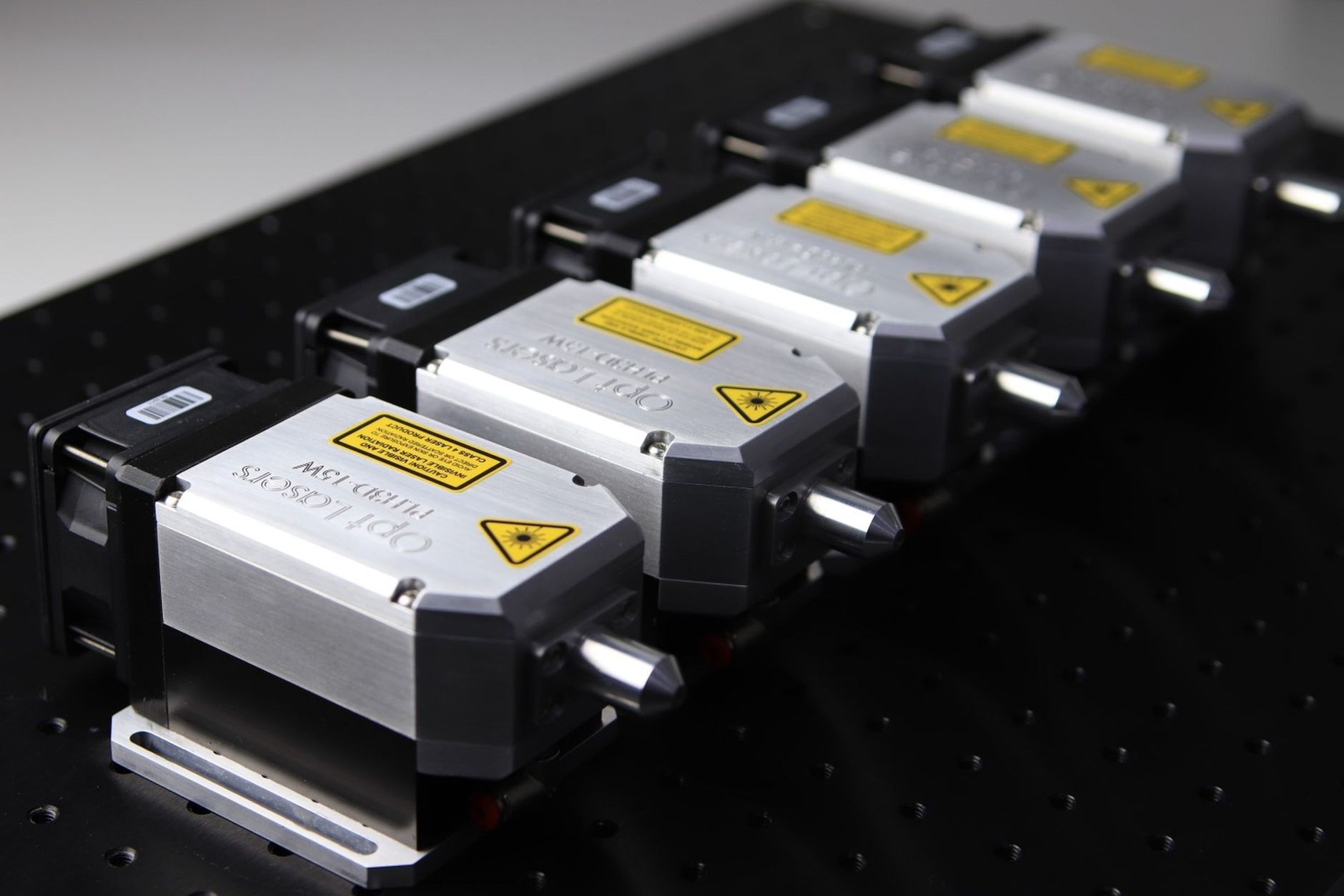
Searching for laser engraving on custom polo shirts in Australia? You’re not alone — this is one of the most common questions that comes up when businesses, schools, and event organisers start exploring their branding options. The short answer might surprise you: laser engraving is not a suitable decoration method for polo shirts or fabric garments of any kind. But before you close this tab, there’s genuinely good news. The methods that are available for custom polo shirts are excellent — and understanding why laser engraving doesn’t work on fabric will actually help you make a far smarter decision about how to brand your next order of polo shirts. Let’s break it all down.
Understanding Laser Engraving: What It Actually Does to Materials
Laser engraving works by directing a concentrated beam of light at a surface, which removes, burns, or etches the top layer of that material to create a permanent mark. It’s an incredibly precise technique, and when applied to the right materials, the results are stunning.
The materials where laser engraving genuinely excels include:
- Metal – trophies, plaques, aluminium drinkware, stainless steel water bottles
- Timber and bamboo – corporate gifts, award plaques, bamboo utensils
- Leather – notebooks, keyrings, wallets, belt accessories
- Acrylic and glass – awards, signage, corporate recognition pieces
- Hard plastics – cable organisers, tech accessories, promotional gadgets
If you’re interested in seeing how laser engraving performs on non-fabric items, our guide to laser engraved cable organisers in Australia is a great example of the method at its best.
The fundamental problem with applying laser engraving to fabric is physics. Fabrics — whether polyester, cotton, cotton-blend, or moisture-wicking performance materials — don’t have a hard, stable surface layer that can be etched cleanly. When a laser beam hits fabric, it burns through or damages the fibres rather than creating a crisp, defined design. The result is scorched, weakened, or frayed fabric. There is no controlled engraving — there’s simply destruction of the garment.
This is why you will never see a legitimate decorated apparel supplier in Australia offer laser engraving for polo shirts, t-shirts, hoodies, or any woven or knit fabric garment.
So What Are the Right Decoration Methods for Custom Polo Shirts in Australia?
Now that we’ve cleared that up, here’s where it gets genuinely useful. Australian businesses, schools, sporting clubs, and government organisations have access to several high-quality, proven decoration methods that produce excellent results on polo shirts. The right choice depends on your design, your fabric type, your budget, and the number of units you’re ordering.
Embroidery: The Premium Choice for Corporate and Workwear Polo Shirts
Embroidery is widely regarded as the gold standard for polo shirt decoration in Australia, particularly for corporate uniforms, workwear, and school attire. It involves stitching your logo or design directly into the fabric using industrial embroidery machines.
Why embroidery works so well on polo shirts:
- It creates a professional, textured finish that looks expensive and lasts the life of the garment
- It’s highly durable — the stitching doesn’t fade, peel, or crack with repeated washing
- It works beautifully on pique polo fabric, which is the most common polo shirt material
- It’s ideal for chest logos, sleeve branding, and collar details
For complex multi-colour logos or photographic designs, embroidery has limitations — very fine detail can be lost in the stitching process. However, for most corporate logos, text, and simple icon-based designs, it produces outstanding results.
If you’re considering embroidery for polo shirts with longer sleeve options or more substantial coverage, our post on custom embroidered long sleeve polo shirts covers exactly what you need to know.
Typical MOQs for embroidered polo shirts in Australia start at around 12–24 units, though many suppliers will accept lower quantities for a slightly higher per-unit cost. Expect a setup fee to digitise your artwork into a stitch file — this is a one-off cost that you’ll reuse on future orders.
Screen Printing: Best for Bold Designs and Larger Quantities
Screen printing involves pushing ink through a mesh stencil onto the fabric surface. It’s one of the most cost-effective methods for larger orders and produces vivid, sharp results — particularly for bold logos, text, and designs with solid colour blocks.
Screen printing is extremely popular with:
- Sporting clubs ordering jerseys and training tops
- Schools producing sports day, house competition, or year group polo shirts
- Events and conferences needing large volumes of branded staff shirts
- Businesses running promotional campaigns with casual or event polo shirts
For a Brisbane primary school ordering 200 custom polo shirts for their annual sports carnival, screen printing would typically offer the most cost-effective pathway while still delivering a clean, professional result.
The limitation of screen printing is that each colour in your design requires a separate screen setup. For designs with five or more colours, costs can escalate. It’s best suited to designs with two to four colours maximum.
Heat Transfer Vinyl and DTF (Direct-to-Film) Printing
Heat transfer methods — including heat transfer vinyl (HTV) and the increasingly popular direct-to-film (DTF) printing — have become important options in the Australian decorated apparel market.
DTF printing in particular has grown significantly because:
- It supports full-colour, photographic, and gradient designs without limitations
- MOQs can be as low as one unit, making it excellent for small runs
- Turnaround times are faster than embroidery or screen printing in many cases
- It works across fabric types including synthetic, cotton, and blends
For a Melbourne corporate event needing 30 branded polo shirts with a complex multi-colour logo, DTF printing offers an excellent balance of quality, flexibility, and price.
The trade-off is longevity. DTF transfers, while improving year on year, may not outlast embroidery over many years of heavy commercial laundering. For high-use workwear, embroidery remains the more durable option.
Sublimation: For Synthetic Performance Fabrics
Sublimation printing involves converting ink into a gas that bonds permanently with synthetic fabric fibres. The result is a full-colour, all-over print that becomes part of the fabric itself — it can’t peel or crack because it’s not sitting on top of the surface.
Sublimation is ideal for:
- Performance moisture-wicking polo shirts used in sport or outdoor work
- Vibrant, all-over pattern designs
- Sporting clubs wanting fully customised strip designs
The critical limitation: sublimation only works on 100% polyester or high-polyester-blend fabrics. It will not produce acceptable results on cotton polo shirts.
Choosing the Right Method for Your Organisation
The decoration method you select should be driven by a clear set of considerations. Here’s a practical framework to help you decide:
| Factor | Best Method |
|---|---|
| Corporate uniforms, professional look | Embroidery |
| Large quantity, simple bold logo | Screen printing |
| Small run, full-colour complex design | DTF printing |
| Synthetic sports performance polo | Sublimation |
| Mixed apparel + hard goods order | Combination approach |
For organisations placing broader branded merchandise orders — perhaps pairing polo shirts with items like custom lanyards for conferences, or corporate gifts in Sydney for client presentations — it’s worth discussing your full project with a promotional products supplier rather than ordering in silos. Bundling orders can reduce costs and ensure brand consistency across items.
If your project also involves branded hard goods where laser engraving genuinely shines — such as branded drinkware, eco products, or tech accessories — you can absolutely use laser engraving there while using embroidery or screen printing on the fabric items.
Practical Tips for Ordering Custom Polo Shirts in Australia
Before placing your order, here are several things worth confirming with your supplier:
1. Artwork format matters. Embroidery requires a digitised stitch file. Screen printing requires vector artwork (AI, EPS, or high-res PDF). DTF printing can work with rasterised artwork but benefits from high resolution. Send your files in the best available format.
2. Check fabric composition before choosing a method. Ask your supplier what percentage polyester vs cotton is in the polo shirts you’re ordering. This directly affects which decoration methods are available.
3. Request a sample or pre-production proof. Before a full run of 100+ polo shirts goes to production, request either a physical sample or a digital mockup with your artwork placed on the garment. This is standard practice and good suppliers will offer it.
4. Plan for turnaround time. Embroidery typically takes 10–15 business days from artwork approval in Australia. If you’re ordering for a specific event, build in buffer time. For urgent needs, ask about express turnaround — some suppliers can expedite for an additional fee. For time-sensitive ancillary items like event lanyards, our guide to getting custom lanyards fast is worth reading.
5. Think about your broader event merchandise strategy. Custom polo shirts are just one part of a well-rounded event or corporate branding campaign. Rounding out your merchandise mix — from spring corporate giveaways to branded accessories — ensures a cohesive and memorable brand presence.
Understanding how promotional products work together to build brand recognition is something explored in depth in our guide to how promotional products increase brand recall in Australia.
Conclusion: What to Remember About Laser Engraving on Custom Polo Shirts in Australia
The core takeaway is straightforward: laser engraving and fabric garments are fundamentally incompatible, and any supplier claiming otherwise is one to approach with caution. But the alternatives are genuinely excellent, and Australian organisations have access to world-class garment decoration options that produce durable, professional, and visually striking results.
Here are the key points to carry forward:
- Laser engraving works brilliantly on hard materials (metal, timber, glass, leather, acrylic) but will damage fabric — it is not a viable method for polo shirts or any textile garment
- Embroidery is the gold standard for corporate and workwear polo shirts in Australia — durable, professional, and ideal for most logo types
- Screen printing suits large orders with bold, simple designs and offers excellent value at scale
- DTF printing is the go-to for small runs, full-colour designs, or fast turnaround needs
- Sublimation delivers full-colour all-over coverage but is restricted to high-polyester fabrics
- Always confirm your artwork format, fabric composition, and turnaround requirements before placing an order to avoid delays or unexpected costs
Whether you’re a Sydney corporate team kitting out staff for a product launch, an Adelaide school ordering polo shirts for a year group, or a Perth council sourcing workwear for field staff, the right decoration method is out there — it’s just not laser engraving.