
Fairtrade Chocolate as Branded Merchandise: The Complete Australian Guide
Discover how fairtrade chocolate can elevate your branded merchandise strategy for corporate gifts, school events, and conferences across Australia.

Written by
Angus Mahmoud
Safety & Workwear
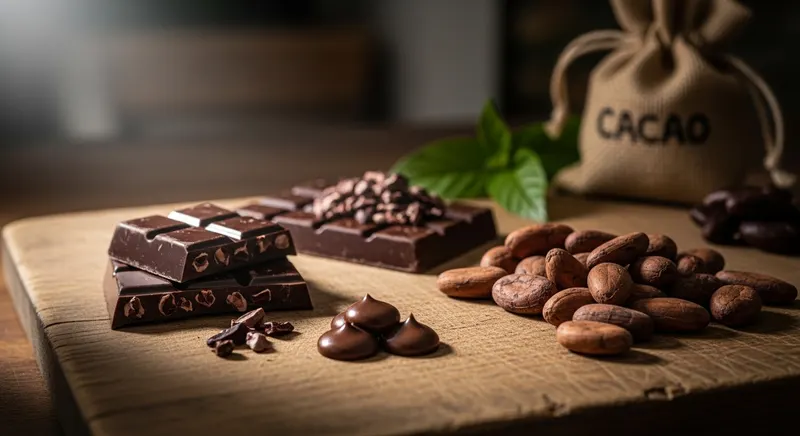
Choosing the right promotional product for your next corporate event, school fundraiser, or conference can feel overwhelming — especially when you want something that genuinely resonates with your audience. Fairtrade chocolate has emerged as one of the most compelling options in the Australian branded merchandise space, combining universal appeal with genuine ethical credentials. Whether you’re a Sydney-based HR team planning a staff appreciation campaign, a Melbourne school organising a fundraising drive, or a Brisbane events coordinator sourcing conference giveaways, branded fairtrade chocolate delivers something most promotional products simply can’t: it gets eaten, it gets talked about, and it makes people feel good about your brand.
Why Fairtrade Chocolate Is Taking Off in the Australian Promo Products Market
The promotional products industry has undergone a significant shift in recent years. Organisations across Australia are under increasing pressure — from their own staff, clients, and communities — to make more ethical and sustainable procurement decisions. This is driving a strong move away from cheap, disposable giveaways towards products with genuine values behind them.
Fairtrade certification means the cocoa and other ingredients used in your chocolate have been sourced from farmers who were paid fair prices, worked under safe conditions, and were supported through community development programmes. When you put your logo on a fairtrade chocolate product, you’re not just handing someone a sweet treat — you’re communicating that your organisation cares about the world beyond its own bottom line.
This message lands particularly well with certain audiences. Corporate clients in the professional services, legal, and finance sectors have been early adopters. Schools and universities with active sustainability committees are natural fits. Government departments and local councils across New South Wales, Victoria, and Queensland have also been drawn to fairtrade chocolate as a procurement choice that aligns with their corporate social responsibility policies.
If you’re already exploring sustainable promotional items more broadly, fairtrade chocolate fits neatly into a values-led merchandise strategy without requiring a significant budget increase.
Understanding Fairtrade Certification: What to Look For
Before you commit to a supplier, it’s worth understanding what fairtrade certification actually means in practice — and why it matters for your branded order.
In Australia, the most recognised certification body is Fairtrade Australia & New Zealand, which licenses the FAIRTRADE Mark. Products carrying this mark have been independently audited to verify compliance with Fairtrade Standards, which cover pricing, labour conditions, environmental practices, and community investment.
When sourcing branded fairtrade chocolate, look for:
- The FAIRTRADE Mark on packaging — not just vague claims of “ethical sourcing”
- Transparent supply chain information — where is the cocoa from? Which farming cooperatives are involved?
- Certified chocolate content — some products use the mark only when a minimum percentage of ingredients are certified; check whether the entire product qualifies
- Australian distributor relationships — working with a local promotional products supplier who has an established relationship with a certified manufacturer simplifies the ordering and artwork process
It’s also worth distinguishing between fairtrade and organic certifications. A product can be fairtrade without being organic, and vice versa. Many premium branded chocolate options are both — which may matter to your audience, particularly in health-conscious sectors like healthcare organisations or fitness-focused corporate groups.
For organisations that want to align their entire gifting approach with ethical sourcing principles, it’s worth reading up on the broader landscape of sustainable promo products to see how fairtrade chocolate fits within a more comprehensive strategy.
Popular Fairtrade Chocolate Formats for Branded Merchandise
One of the great advantages of branded chocolate as a promotional product is the sheer variety of formats available. Here’s a breakdown of what works best in different contexts:
Individually Wrapped Squares and Coins
These are the workhorses of the branded chocolate world. Small, individually wrapped pieces with custom foil or sleeve branding are ideal for conferences, trade shows, and front-desk bowls. Minimum order quantities (MOQs) typically start around 250–500 units, making them accessible for mid-sized events.
If you’re exhibiting at a trade show or expo — particularly in Brisbane, Sydney, or Melbourne where large industry events are held regularly — a bowl of branded fairtrade chocolate squares on your stand is a proven conversation starter. Pair them with a well-designed tablecloth for your trestle table and you’ve created a cohesive, professional brand presence.
Custom Moulded Chocolate Bars
For a higher-impact gift, fully branded chocolate bars allow for custom moulding (your logo embossed into the chocolate itself), custom wrapper design, and a premium feel. These are popular for corporate client gifts, conference keynote speaker tokens, and year-end appreciation packs. Typical MOQs start around 100–250 units and unit costs range significantly based on chocolate weight and packaging complexity.
A Melbourne law firm sending out 200 client appreciation packs at the end of the financial year, for example, might opt for a 50g custom moulded bar in a kraft paper sleeve — fairtrade certified, beautifully presented, and carrying real brand equity.
Gift Box Sets and Hamper Components
Fairtrade chocolate works exceptionally well as part of a curated gift box. Paired with other ethically sourced or sustainably branded items — think a personalised keep cup or a branded eco-friendly mug — you can build a cohesive corporate gift set that tells a clear values story. This format suits higher-budget client gifting, executive onboarding packs, or award and recognition programmes.
Fundraising Chocolate Boxes
Schools and not-for-profits often turn to fairtrade chocolate fundraising boxes. A Gold Coast primary school, for instance, might order fairtrade-certified fundraising boxes to sell during community events, with custom branding that reinforces the school’s values around global citizenship. This format typically has lower per-unit pricing but requires efficient distribution planning.
Branding and Customisation: How Decorated Is Your Chocolate?
Unlike a custom polo shirt or an embroidered cap, chocolate branding is primarily done through packaging rather than direct decoration of the product itself (unless you’re going the moulded route). The key branding surfaces are:
- Foil wrappers — full colour printing, often with a minimum of 2–3 weeks production time
- Belly bands and sleeves — paper or kraft card wraps around a standard bar, very cost-effective
- Gift box lids and bases — ideal for premium gift sets
- Swing tags — can carry extended brand messaging, QR codes, or personalised notes
Artwork requirements typically include vector files (AI or EPS format), and most suppliers will provide a digital proof before production begins. If you’re ordering fairtrade chocolate for a specific event with a fixed date, factor in a minimum of 3–4 weeks from artwork approval to delivery — longer for highly customised orders or peak periods like Christmas and Easter.
Speaking of events, if you’re running a multi-product merchandise campaign, branded chocolate pairs brilliantly with other giveaways. Check out the trade show promotional product effectiveness statistics to understand how edible giveaways compare to other categories in terms of recall and brand engagement — the data is quite revealing.
Budget Planning for Fairtrade Chocolate Orders
Fairtrade certification does carry a price premium over conventional chocolate — typically 15–30% more per unit. However, when you weigh that against the brand perception benefits and the ethical alignment value, most organisations find it well worth the investment.
Here’s a rough guide to budget expectations in 2026:
- Individually wrapped pieces: $0.80–$2.50 per unit (depending on size, foil complexity, and MOQ)
- Custom branded bars (40–50g): $4.00–$8.00 per unit
- Premium gift box sets: $15.00–$35.00 per set (including multiple items)
- Setup/artwork fees: $50–$200 depending on the supplier and complexity
Bulk ordering brings costs down significantly. If you’re ordering across multiple departments or events in a calendar year, consolidating your orders into a single larger run is almost always more cost-effective. A Canberra government department ordering 1,000 units for a series of community engagement events, for example, would achieve substantially better per-unit pricing than a series of smaller orders throughout the year.
Don’t forget to account for freight. Chocolate is temperature-sensitive, so shipping during Australian summer months — particularly to Darwin, Perth, or regional Queensland — may require express shipping or temperature-controlled packaging, which adds to the overall cost.
Pairing Fairtrade Chocolate With Other Sustainable Merchandise
For organisations committed to a cohesive sustainability narrative, fairtrade chocolate works best when it’s part of a broader eco-conscious gifting strategy. Consider pairing it with:
- A wheat straw branded merchandise item such as a pen or cup — made from agricultural by-products
- A reusable tea infusing bottle for the health-conscious audience
- Personalised tea towels as part of a kitchen or home-themed gift set
- Branded wristbands for events when running a themed campaign or charity activation
If your organisation is attending a major industry expo or conference, think about how your entire stand communicates your values — from your custom table cloth and signage through to the branded chocolate you’re handing out. Consistency across all touchpoints strengthens brand recall and positions you as a credible, values-led organisation.
For teams that want to go further, exploring the vma promotional products range or wall art prints for your office space can complement your branded merchandise strategy with items that reinforce culture internally, not just externally.
Key Takeaways
Fairtrade chocolate represents a genuinely smart choice for Australian organisations looking to combine brand impact with ethical procurement. Here are the key points to carry with you:
- Certification matters — always verify that the FAIRTRADE Mark appears on the product packaging, not just on the supplier’s website claims
- Format determines audience fit — individually wrapped pieces suit events and trade shows, while custom moulded bars and gift boxes work better for client gifting and awards
- Budget for the premium — fairtrade chocolate costs more than conventional options, but the brand perception and values alignment benefits justify the investment for most organisations
- Allow adequate lead time — a minimum of 3–4 weeks from artwork approval is standard, with longer turnarounds needed for highly customised orders or peak seasons
- Think holistically — fairtrade chocolate is most powerful when it’s part of a broader sustainable or values-led merchandise strategy rather than a standalone gesture
By choosing fairtrade chocolate as part of your promotional products mix, you’re not just giving people something delicious — you’re making a statement about what your organisation stands for. And in 2026’s competitive landscape, that kind of authentic brand storytelling is worth its weight in cocoa.