
The Complete Ethical Sourcing Guide for Promotional Merchandise in Australia
Learn how Australian businesses and schools can ethically source promotional merchandise — covering certifications, supplier questions, and eco options.

Written by
Aria Patel
Buying Guides & Tips
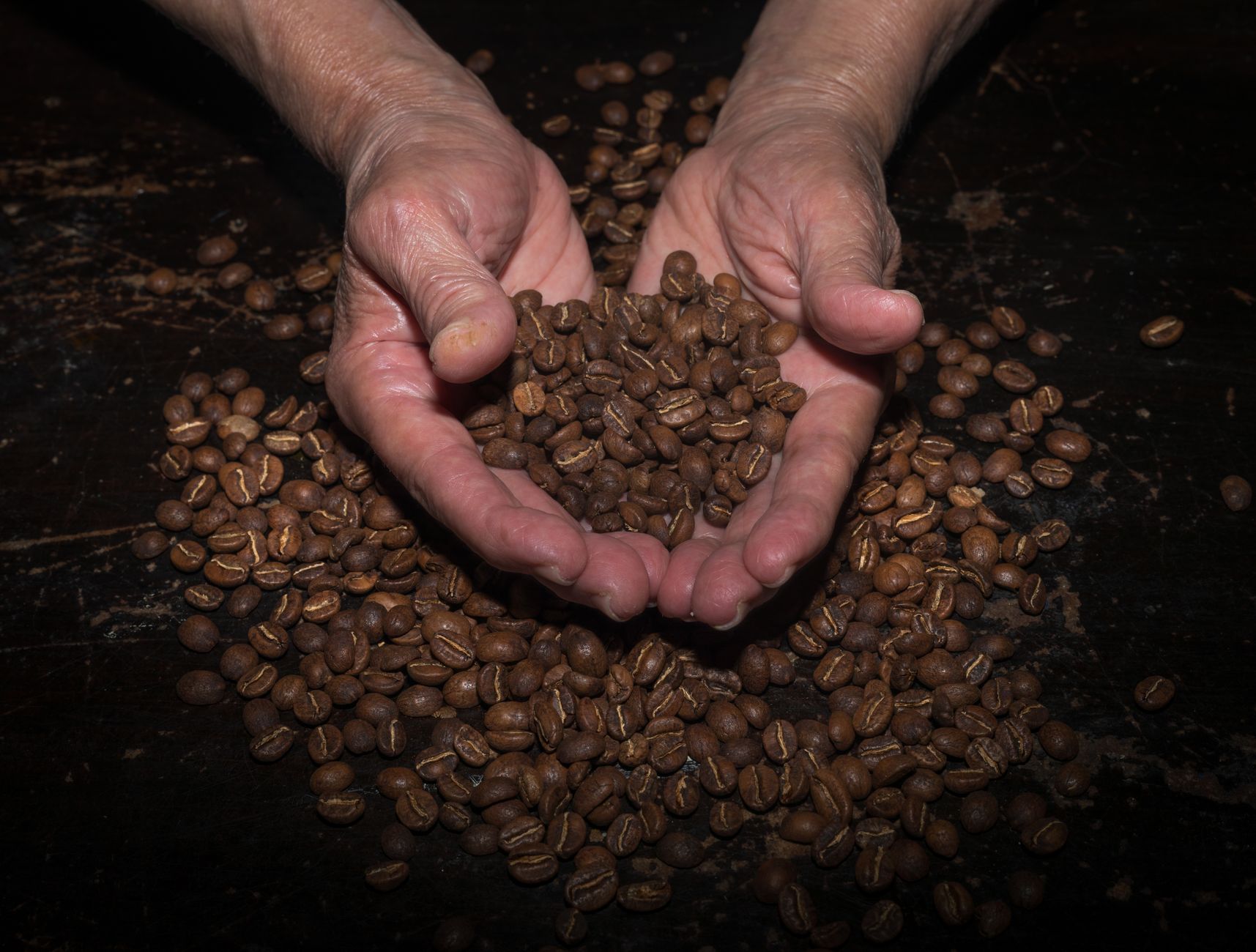
Choosing promotional merchandise sounds straightforward until you start asking the harder questions: Where was this product made? Who made it? What are their working conditions like? For Australian businesses, schools, and organisations operating in 2026, these questions matter more than ever. Consumers, students, parents, and stakeholders are increasingly paying attention to the values behind a brand — and a branded tote bag or a custom keep cup carries more weight when it’s backed by genuine ethical practice. This ethical sourcing guide for promotional merchandise Australia aims to cut through the noise and give you a practical, honest framework for making better purchasing decisions.
Why Ethical Sourcing Matters for Australian Organisations
The promotional products industry is a global one. Products are manufactured across China, Bangladesh, India, Vietnam, Turkey, and dozens of other countries — and that’s not inherently a problem. The issue arises when supply chains lack transparency, when workers aren’t paid fairly, or when environmental standards are disregarded in the race to hit a low unit price.
Australian organisations are increasingly bound — morally if not legally — to consider these factors. The Australian Modern Slavery Act 2018 requires entities with annual consolidated revenue of $100 million or more to report on modern slavery risks in their operations and supply chains. But even if your organisation falls below that threshold, the reputational and ethical stakes remain real.
Think about a Sydney-based charity sourcing branded merchandise for a community event, or a Melbourne school ordering custom polos for their sports carnival. These organisations carry community trust, and that trust extends to how they spend their budget — including on branded products.
Beyond compliance, there’s a straightforward business case: products sourced from certified ethical suppliers tend to be better quality, made with more durable materials, and backed by suppliers who are invested in long-term relationships rather than a quick transaction.
Understanding Key Certifications and Standards
One of the most reliable ways to verify ethical sourcing claims is through internationally recognised certifications. Not all certifications are equal, so it’s worth understanding what each one actually means before you assume a product ticks the right boxes.
BSCI and Sedex Auditing
The Business Social Compliance Initiative (BSCI) and Sedex (Supplier Ethical Data Exchange) are two of the most widely referenced audit frameworks in the promotional products industry. Suppliers who participate in these programmes undergo independent audits of their factories, covering wages, working hours, child labour, health and safety, and freedom of association.
When speaking to a supplier, ask whether their manufacturing partners are BSCI-audited or registered on the Sedex platform. Reputable suppliers will be able to provide audit certificates or at minimum direct you to Sedex-listed factories.
Fair Trade Certification
For specific product categories — particularly food and drink items like promotional honey jars for agricultural show giveaways — Fair Trade certification ensures producers receive a fair price and workers receive fair wages. It’s less common across hard goods like drinkware or tech accessories, but increasingly available for apparel and consumable products.
OEKO-TEX and GOTS for Apparel
If your organisation is ordering custom apparel — polo shirts with logos for staff, event t-shirts, or branded hoodies — look for OEKO-TEX Standard 100 certification. This means the fabric has been tested for harmful substances and meets human-ecological standards. The Global Organic Textile Standard (GOTS) goes further, certifying that textiles are made from organic fibres and produced under socially responsible conditions.
FSC Certification for Paper and Wood Products
For stationery items like personalised notebooks or bamboo-based merchandise, Forest Stewardship Council (FSC) certification confirms that materials are sourced from responsibly managed forests. This is particularly relevant as more organisations look to wheat straw branded merchandise in Australia and other plant-based alternatives as part of their sustainability commitments.
Questions to Ask Your Promotional Merchandise Supplier
Don’t rely solely on certifications. A robust ethical sourcing approach means having real conversations with your supplier. Here are the key questions to raise before placing an order.
1. Where are your products manufactured? Insist on a country of origin, and where possible, a specific factory name. Vague answers like “Asia” are a red flag.
2. Do you conduct or commission factory audits? Ask for copies of recent audit reports. Reputable suppliers will be forthcoming with this information.
3. What is your policy on child labour and forced labour? Any credible supplier should have a written supplier code of conduct that explicitly prohibits these practices.
4. Can you provide a product safety data sheet? This is particularly important for products used by children — like those ordered by primary schools or community organisations — and for food-safe items such as top-rated personalised mugs or custom drink bottles.
5. What is the environmental impact of production and shipping? Ask whether the supplier offers carbon offset options, uses renewable energy in manufacturing, or consolidates shipments to reduce freight emissions.
6. Do you offer locally made or Australian-made options? For organisations that want to maximise their ethical impact, sourcing Australian-made products eliminates many overseas supply chain concerns. This is particularly viable for certain apparel, signage, and food items.
Choosing Ethical Products Across Popular Categories
Ethical sourcing isn’t a one-size-fits-all exercise — different product types come with different considerations.
Eco-Friendly and Sustainable Products
This is one of the fastest-growing segments in Australian promotional merchandise. Products made from bamboo, recycled ocean plastic, cork, or organic cotton often come with stronger ethical credentials by design. Consider promotional succulent plant pots for eco-friendly gifting as a memorable, low-waste alternative to traditional giveaways. Similarly, wheat straw branded merchandise offers a genuinely sustainable option across a wide range of product types.
For events and conferences — whether in Brisbane, Perth, or Adelaide — choosing eco-conscious spring corporate giveaways signals your organisation’s values clearly and tangibly.
Workwear and Safety Items
Branded workwear and safety products need to meet Australian safety standards — but ethical sourcing goes beyond compliance. For organisations in construction, mining, or logistics, consider whether safety items like promotional branded safety helmet stickers for site ID are produced in facilities with decent occupational health and safety standards for workers.
Health and Wellbeing Products
There’s a growing market for branded products that serve a genuine purpose. Items like promotional branded breathing exercise cards for anxiety support are a thoughtful choice for healthcare organisations, schools, and community groups — and they carry the added ethical dimension of promoting mental health awareness.
Unique and Mission-Aligned Products
For community organisations, charities, and causes, product selection can itself be an ethical statement. Refugee Week branded merchandise for community support is a powerful example of how promotional products can carry cultural and humanitarian significance. Similarly, promotional pet treat bags for animal shelters in Australia show how merchandise can be tailored to align with an organisation’s core mission.
Red Flags to Watch Out For
Even with the best intentions, it’s possible to be misled. Here are some warning signs that a supplier’s ethical claims may not hold up to scrutiny.
- Prices that seem too good to be true. Extremely low unit prices often indicate corners are being cut somewhere in the supply chain — usually on labour costs.
- No documentation available. If a supplier can’t provide certifications, audit reports, or a supplier code of conduct when asked, that’s a significant concern.
- Vague sustainability language. Terms like “eco-friendly” and “green” mean nothing without evidence. Ask what specifically makes the product sustainable.
- No sample availability. Reputable suppliers almost always allow you to order samples before committing to a bulk run. Reluctance to provide samples can be a sign of quality or sourcing issues.
For organisations sourcing across Western Australia and other regional areas, promotional products in Western Australia are increasingly available from suppliers with verified ethical credentials — so geography doesn’t need to limit your choices.
Budgeting for Ethical Merchandise
Here’s the honest reality: ethically sourced products often cost more per unit. But the gap is smaller than many assume, and there are ways to manage it.
Consider ordering products that genuinely justify their price through longevity — a well-made custom stubby holder or quality drinkware item will be used repeatedly, extending brand impressions well beyond a single event. Trade show promotional product effectiveness statistics consistently show that useful, quality products generate far more long-term brand recall than cheap giveaways that end up in the bin.
You can also reduce per-unit costs by consolidating orders — choosing fewer product types in larger quantities — or by planning further ahead to avoid express turnaround fees. Many ethical suppliers offer better pricing when they have lead time to source and produce responsibly. Explore the broader range of products on promotion to find ethically produced items that fit your budget without compromising on values.
Conclusion
Navigating the ethical sourcing guide for promotional merchandise in Australia doesn’t need to be overwhelming. With the right questions, an understanding of key certifications, and a willingness to look beyond the unit price, Australian businesses, schools, and organisations can make purchasing decisions that reflect their values and protect their reputation.
Here are the key takeaways to carry forward:
- Ask for documentation. Certifications like BSCI, Sedex, OEKO-TEX, GOTS, and FSC are meaningful benchmarks — request evidence, not just assurances.
- Choose suppliers who are transparent. A supplier willing to discuss their supply chain openly is a supplier you can trust.
- Align products with your mission. The most ethically resonant merchandise choices are those that reflect your organisation’s actual values and purpose.
- Factor quality into your budget. Fewer, better products sourced ethically will deliver stronger brand outcomes than a large volume of cheap, disposable items.
- Stay informed. Ethical sourcing standards evolve — review your approach regularly and keep asking questions, both of your suppliers and of yourself.