
Custom Logo Lanyards With No Minimum Order: What You Need to Know
Explore your options for custom logo lanyards with no minimum order in Australia — tips on costs, decoration, turnaround, and what to watch out for.

Written by
Lily Adams
Stationery & Office
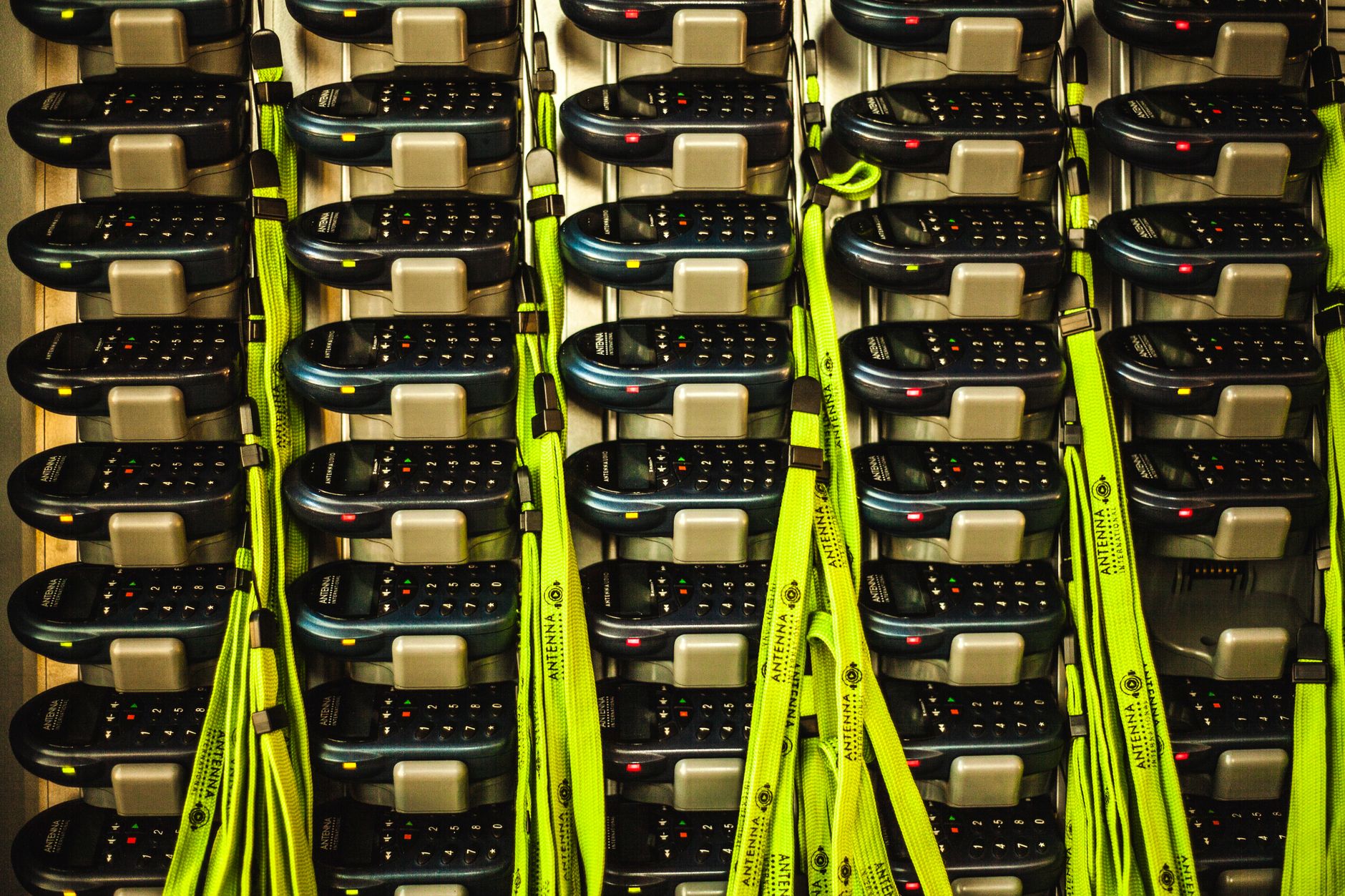
Ordering branded merchandise for your organisation usually comes with one frustrating caveat: you need to commit to hundreds of units before you can even get started. For lanyards in particular, this can be a real sticking point — especially when you only need a handful for a small team, a one-off event, or a trial run before a larger order. That’s why so many businesses, schools, and event coordinators across Australia are searching for custom logo lanyards with no minimum order. The good news? Options do exist. The not-so-great news? There are some important trade-offs you should understand before placing that order.
This guide breaks down everything you need to know about ordering custom lanyards in small quantities — including what “no minimum order” really means, which decoration methods work best at low volumes, what to expect with pricing and turnaround, and when it might actually make more sense to order in bulk.
What “No Minimum Order” Actually Means for Custom Lanyards
Let’s clear something up straight away. When a supplier advertises custom logo lanyards with no minimum order, they’re usually offering one of two things: either a genuinely flexible ordering system where you can order as few as one or two units, or a very low minimum — think 10 to 25 pieces — that’s simply lower than the industry standard.
The traditional minimum order quantity (MOQ) for custom printed lanyards in Australia sits somewhere between 50 and 100 units, depending on the decoration method and supplier. Screen printing and woven lanyards, for example, typically have higher MOQs because of the setup costs involved. Sublimation-printed lanyards, on the other hand, can often be produced in smaller runs because the setup process is more digital and less labour-intensive.
It’s also worth knowing that some suppliers will technically accept a small order but offset the low quantity with higher unit pricing or a setup fee. So while you won’t be forced to buy 100 lanyards, you might pay $8–$15 per lanyard instead of $2–$4 at scale. That’s perfectly reasonable for some applications — a quick ten-pack for a small Adelaide nonprofit’s team, for instance — but it’s worth going in with realistic expectations.
If you’re also looking at getting your order delivered quickly, our guide on ordering custom lanyards fast in Australia covers turnaround options worth knowing about.
Who Actually Needs Custom Lanyards in Small Quantities?
The demand for low-MOQ custom lanyards isn’t niche — it’s actually quite widespread. Here are some of the most common situations where a small run makes perfect sense:
Startups and Small Businesses
A new Melbourne-based consultancy setting up their first office doesn’t need 200 branded lanyards on day one. A single box of 10–25 for ID badges and access cards is more than enough to look professional without overcapitalising on branded merchandise before the business has found its feet.
Schools Running One-Off Events
A Brisbane primary school organising a swimming carnival or interschool sports day might need 30 lanyards for staff and officials — not 500. Low-minimum ordering lets schools buy exactly what they need without excess stock piling up in the storeroom.
Corporate Events and Conferences
A one-day product launch in Sydney or a small industry summit in Hobart might only have 50 attendees. Ordering 200 branded lanyards “just in case” wastes budget and creates unnecessary waste. With a flexible MOQ, event coordinators can order close to the actual headcount.
Sample Orders Before a Larger Commitment
Many procurement managers and marketing teams want to see and feel the product before committing to a large run. Ordering five to ten custom lanyards as samples is a smart way to assess print quality, material feel, and colour accuracy before signing off on a bulk order.
Charity and Community Organisations
Not-for-profit groups often operate on tight budgets. A small Darwin charity coordinating volunteers for a community event might have room in the budget for 20 lanyards — not 100. This is also why understanding the full cost picture matters so much.
For organisations considering a broader range of branded items to go alongside lanyards, it’s worth exploring how promotional products increase brand recall in Australia — especially when working with limited quantities.
Decoration Methods and Their Impact on Low-Volume Orders
Not all lanyard decoration methods are created equal when it comes to small-run viability. Understanding the differences will help you choose the right product for your needs and budget.
Sublimation Printing
This is arguably the best option for low-MOQ custom logo lanyards. Sublimation uses heat to infuse dye directly into the polyester lanyard material, resulting in vibrant, full-colour prints with excellent durability. Because the setup is largely digital, there’s minimal tooling cost, making it economically viable even for small quantities. If you want your full logo in multiple colours, sublimation is your friend.
Screen Printing
Screen printing involves creating a separate screen (stencil) for each colour in your artwork. This process has higher setup costs, which is why suppliers typically require larger MOQs to make it worthwhile. It’s excellent for simple, bold logos — a single-colour design on a classic black lanyard, for example — but isn’t cost-effective for a run of 15 pieces.
Woven Lanyards
Woven lanyards have your logo literally woven into the fabric, creating a premium, tactile finish that’s extremely durable. They’re brilliant for corporate use but have the highest MOQs of any lanyard type, often starting at 100–200 pieces. Not suitable for very small orders, but worth considering if you’re planning a larger run down the track.
Heat Transfer
A middle ground between sublimation and screen printing, heat transfer can work well at lower volumes. Print quality is generally good, and setup costs are modest. Durability is slightly lower than sublimation over time, but for short-term event use, it’s more than adequate.
What to Look for When Comparing Suppliers
When you’re evaluating suppliers for custom logo lanyards with no minimum order requirements, there are several things beyond price to keep in mind.
Artwork requirements: Most suppliers need vector files (AI or EPS format) or high-resolution PDFs for clean reproduction. If you only have a low-resolution PNG from your website, ask whether they can help with a redraw — some do, often for a fee.
Proof approval: Reputable suppliers will send you a digital proof before going to print. Always review this carefully, especially for colour accuracy and logo placement.
Turnaround times: Low-MOQ orders at specialty print shops can sometimes take just as long as bulk orders — sometimes longer, if they batch small jobs together. If you’re working to a deadline, check this explicitly. Our resource on finding custom lanyards near you covers how local sourcing can speed up delivery.
Attachments and fittings: Make sure you specify what attachment you need — bulldog clip, lobster claw, key ring, or safety breakaway clasp. The breakaway safety clasp is highly recommended for schools and childcare environments.
PMS colour matching: For brand-conscious organisations, ask whether PMS matching is available. At very low quantities, some suppliers only offer standard colour approximations.
Pricing Guide: What to Budget for Small Lanyard Runs
Pricing for custom lanyards at low quantities varies considerably depending on the supplier, decoration method, and product quality. Here’s a rough guide to help you budget:
- 10–25 units (sublimation, full colour): $5–$12 per unit
- 25–50 units (sublimation or heat transfer): $3.50–$7 per unit
- 50–100 units (screen print, 1–2 colours): $2.50–$5 per unit
- Setup/artwork fees: $0–$75 depending on supplier
- Express production surcharge: Sometimes 20–40% on top of base price
Keep in mind these are ballpark figures for 2026, and pricing can vary significantly across Perth, Melbourne, Brisbane, and regional suppliers. Always get two or three quotes before committing.
If lanyards are just one part of a broader gifting or event merchandise plan, you might also find value in exploring ideas like spring corporate giveaways in Australia or reading about trade show promotional product effectiveness statistics to make the most of your overall budget.
When It Makes More Sense to Order in Bulk
It might seem counterintuitive in a guide about low-MOQ ordering, but there are genuinely times when committing to a larger quantity is the smarter financial decision.
If your organisation is likely to need lanyards repeatedly — for ongoing staff onboarding, regular events, or annual school programmes — buying 100 or 200 at once often brings your per-unit cost down by 50–70% compared to placing three or four small orders throughout the year. Many suppliers will also warehouse excess stock for you, so it doesn’t need to sit in your own storage.
For context, a 100-unit run of full-colour sublimated lanyards might cost $2.80 per unit, while the same lanyard in a run of 15 might cost $9. If you know you’ll use 100 in the next 12 months, buying in bulk is almost always the better call.
Pairing your lanyard order with complementary branded items can also unlock better overall pricing. Consider items like branded drinkware from our promotional drinkware range guide or even custom pins and badges for employee recognition programmes, which pair well with lanyards for staff ID and reward applications.
And if you’re interested in keeping your branded merchandise as sustainable as possible, it’s worth exploring wheat straw branded merchandise and promotional succulent plant pots for eco-friendly gifting as complementary product ideas.
Practical Tips Before You Place Your Order
- Start with a sample: If possible, order a physical sample before committing — even if it costs a little extra.
- Confirm the safety breakaway: Essential for schools, childcare, and any environment where snagging is a risk.
- Check the lanyard width: Standard widths are 15mm and 20mm. Wider lanyards give more print space for complex logos.
- Ask about eco-friendly materials: Recycled PET and bamboo-blend lanyards are available and increasingly popular with councils and sustainability-focused organisations.
- Plan for a few extras: Order 10–15% more than you think you need to account for late registrations, damaged units, or future use.
Conclusion
Finding custom logo lanyards with no minimum order in Australia is absolutely possible — but it pays to go in with clear expectations around pricing, decoration method limitations, and turnaround times. Whether you’re a small Canberra startup equipping five staff members, a Gold Coast school organising a sports carnival, or an event coordinator pulling together a 30-person industry breakfast, there’s a low-MOQ lanyard solution that can work for your situation.
Here are the key takeaways to keep in mind:
- “No minimum order” often means a very low minimum (10–25 units), not a single-unit order — and unit pricing will be higher at low quantities.
- Sublimation printing is the best decoration method for full-colour logos at small quantities, with lower setup costs than screen printing or woven options.
- Always check turnaround times explicitly, especially if you’re ordering close to a deadline — small runs don’t automatically mean faster delivery.
- If you’ll need lanyards repeatedly throughout the year, bulk ordering is almost always more cost-effective than multiple small runs.
- Consider the full picture — material quality, attachment type, artwork requirements, and PMS colour accuracy all affect the final result, regardless of order size.
With the right supplier and a clear brief, even a small order of custom logo lanyards can look polished, professional, and perfectly on-brand.