
Branded Beverage Coasters: The Smart Promotional Product Your Business Needs
Discover how branded beverage coasters can boost your business visibility, impress clients, and deliver lasting ROI at events and in the office.

Written by
Grace Bennett
Industry Trends & Stats
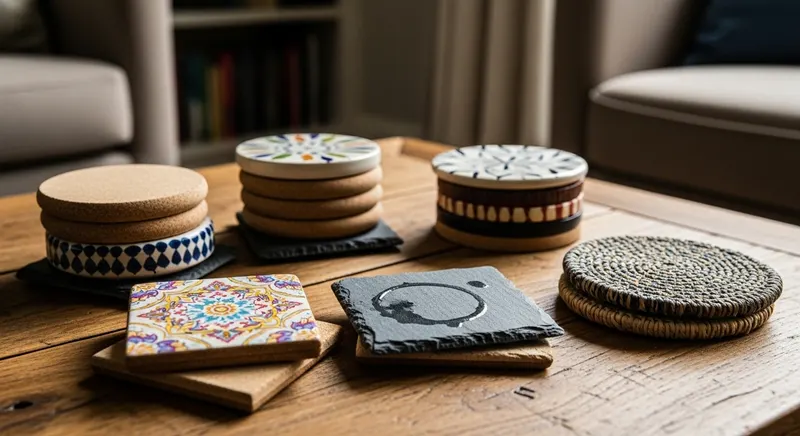
Every promotional product has a job to do — and branded beverage coasters might just be one of the hardest-working items in your merchandise toolkit. Small, affordable, and used multiple times a day, coasters place your logo directly in someone’s hands (literally) every time they reach for a coffee or cold drink. Whether you’re a Sydney café fitting out your tables with custom-printed coasters, a Melbourne corporate team planning their next client gift pack, or a Brisbane school preparing for a fundraiser, beverage coasters offer a surprisingly versatile and cost-effective branding opportunity. In this guide, we’ll walk through everything you need to know about ordering branded coasters — from material options and decoration methods to minimum quantities, budgeting tips, and how to make them work harder for your organisation.
Why Beverage Coasters Deserve a Place in Your Promotional Product Strategy
It’s easy to overlook coasters when you’re planning your branded merchandise. They don’t have the visual impact of a custom banner or the perceived value of a premium drinkware set. But what they lack in glamour, they more than make up for in repeat impressions.
Think about it this way: a branded coaster sitting on someone’s desk is seen dozens of times each workday. It protects surfaces, so people actually use it — unlike a branded pen that gets lost in a drawer or a tote bag that only comes out occasionally. The functional nature of coasters means they stay visible, stay relevant, and keep your brand in the peripheral vision of anyone who walks past.
This principle is well understood in the promotional products industry. Studies into trade show promotional product effectiveness confirm that items with everyday utility generate far more impressions per dollar than purely decorative alternatives. Coasters tick that box consistently.
For businesses that serve beverages — hospitality venues, coworking spaces, corporate offices, training centres — branded coasters are almost a no-brainer. But even organisations that aren’t in the food and beverage space can use them effectively as part of client gifting, conference swag, or desk accessory bundles.
Understanding Beverage Coaster Materials and Their Branding Potential
Not all coasters are created equal, and the material you choose will significantly affect both the look of your finished product and the decoration method available to you. Here’s a breakdown of the most common options you’ll encounter from Australian suppliers.
Cork Coasters
Cork is one of the most popular coaster materials, and for good reason. It’s lightweight, naturally moisture-resistant, and has a warm, organic look that pairs beautifully with minimalist branding. Cork coasters are typically decorated using laser engraving, which burns your logo or text directly into the surface for a clean, permanent finish. No ink means no fading — the engraved design will look sharp for years.
For organisations focused on eco-conscious branding, cork coasters align well with sustainable promotional items and speak to the growing demand for merchandise that doesn’t end up in landfill.
Neoprene Coasters
Neoprene (the same material used in wetsuits) creates a soft, grippy coaster with excellent moisture absorption. These are ideal for full-colour printing, making them a favourite choice when you need to reproduce a detailed logo, photograph, or multi-colour design. Sublimation printing allows for edge-to-edge colour coverage, which gives neoprene coasters a premium, vibrant finish.
Ceramic and Stone Coasters
Ceramic and natural stone coasters sit at the higher end of the promotional coaster market. They feel substantial, look upmarket, and make excellent client gifts when presented in a gift box. Decoration options include sublimation on ceramic and sandblasting or engraving on stone. If your brand is positioning itself as premium — think a Perth financial services firm or a Gold Coast luxury real estate agency — these materials send a clear message about quality.
Paper Pulp and Cardboard Coasters
At the budget-friendly end, paper pulp coasters (often called “beer mats” in hospitality) are widely used in pubs, cafés, and event bars across Australia. They’re designed for single or short-term use, making them cost-effective for high-volume events or promotions. Digital or offset printing allows for full-colour graphics on both sides, and the unit cost can be remarkably low when ordered in large quantities.
Bamboo Coasters
Bamboo has become increasingly popular as an alternative to cork and wood. It’s harder, more durable, and has a sleek contemporary look. Bamboo coasters are typically laser-engraved and work well as part of a broader range of wheat straw and bamboo branded merchandise. They’re a particularly strong choice for organisations that want to communicate sustainability credentials.
Decoration Methods for Branded Beverage Coasters
Choosing the right decoration method is just as important as selecting the right material. The two need to work together to produce a result that looks professional and lasts.
Laser engraving is ideal for cork, bamboo, and wood coasters. It creates a tactile, permanent impression that won’t peel or fade. It’s best suited to single-colour designs — logos, monograms, and simple text work beautifully.
Sublimation printing is the go-to method for neoprene and ceramic coasters when you need full-colour reproduction. The dye bonds directly to the material under heat and pressure, resulting in a vivid, long-lasting print with no texture — the image effectively becomes part of the surface.
Pad printing is commonly used on harder materials like plastic or rubber coasters where a flat printing surface makes it practical. It works well for one or two-colour designs.
Digital printing is used for paper and cardboard coasters, allowing for photographic-quality graphics at scale. If you’re ordering beer mats for a hospitality event, this is likely the method your supplier will use.
When requesting artwork, make sure your logo file is supplied as a high-resolution vector (AI or EPS format) for the cleanest possible result. If you’re unsure about artwork requirements, ask your supplier for a template before you begin.
Minimum Order Quantities, Pricing, and Turnaround Times
Beverage coasters are generally one of the more accessible promotional products in terms of MOQs. Here’s what to expect from most Australian suppliers in 2026:
- Paper/cardboard coasters: MOQs typically start at 500–1,000 units, with costs ranging from $0.30–$0.80 per unit at volume
- Neoprene coasters: MOQs usually around 50–100 units, with pricing typically $2.50–$5.00 per unit depending on size and finish
- Cork or bamboo coasters: MOQs often 25–100 units, ranging from $3.00–$8.00 per unit
- Ceramic or stone coasters: MOQs can be as low as 12–24 units for premium gifting options, but unit costs are higher — often $8.00–$20.00+
Setup fees for screen printing, engraving, or sublimation are standard and typically range from $30–$80 per colour or per side. Always factor these into your budget, especially for smaller orders.
Turnaround times for most coaster orders in Australia sit between 10 and 20 business days from artwork approval, though express production options are sometimes available. If you’re ordering for a specific event date, build in at least four weeks from placing your order to be safe.
How Different Organisations Are Using Branded Coasters
Branded beverage coasters aren’t a one-size-fits-all product — different organisations use them in quite different ways.
Corporate offices and coworking spaces often order cork or bamboo coaster sets as part of branded desk accessories. Paired with a personalised mug or a set of travel coffee mugs, coasters become part of a cohesive branded workspace experience.
Hospitality venues — cafés, wine bars, and restaurants — use paper pulp or neoprene coasters as subtle but effective marketing tools. Every table becomes a branding touchpoint, and guests often pick them up as a keepsake. For venues that also serve wine, plastic wine cups and matching branded coasters can create a consistent event aesthetic.
Events and conferences use coasters in delegate packs alongside items like branded wristbands for events, travel toiletry bags, and custom gym towels. A well-curated pack feels considered and professional, and coasters add a practical touch that delegates actually take home and use.
Schools and not-for-profits running fundraisers can sell custom coasters as merchandise. A Melbourne secondary school, for example, might sell sets of four sublimated neoprene coasters featuring their school colours and crest as part of their annual fundraiser — a useful, affordable product that parents are genuinely happy to purchase.
Real estate agencies across cities like Adelaide and Canberra frequently include branded coaster sets in vendor gifts or open-home welcome packs. Combined with other home-related items, they reinforce the agency’s brand in the home of a potential seller or buyer.
Pairing Coasters with Complementary Branded Products
Coasters work best when they’re part of a broader branded experience. Here are some natural pairings worth considering:
- Drinkware bundles: Pair with personalised mugs, travel coffee mugs, or a tea infusing bottle for a themed gift set
- Kitchen and home items: Combine with a personalised tea towel for a practical housewarming or staff gift
- Event table dressing: Use alongside branded tablecloths and trestle table covers to create a polished event setup
- Eco-focused packs: Bundle with other sustainable promotional products to reinforce your environmental messaging
Thinking about coasters as part of a set, rather than a standalone item, often unlocks better perceived value and a more memorable brand impression.
Tips for Getting the Best Results from Your Coaster Order
Before you place your order, a few practical considerations can make a significant difference to the outcome:
- Request a physical sample before committing to a large run, especially for premium materials like ceramic or stone
- Keep your design simple: Coasters are small — a clean, high-contrast logo will always outperform a cluttered design at this scale
- Consider a set of four or six: Bundling coasters into sets increases perceived value and makes them more giftable
- Choose a shape that suits your brand: Coasters come in round, square, hexagonal, and custom die-cut shapes — the shape can itself reinforce your brand personality
- Check for a heat-resistant finish if coasters will be used with hot drinks — not all materials or coatings are suitable for very hot mugs
Conclusion: Key Takeaways on Branded Beverage Coasters
Beverage coasters are one of those promotional products that earn their place through sheer usefulness. They’re seen daily, used constantly, and carry your branding into homes, offices, and hospitality venues across Australia. Whether you’re investing in cork coasters for a corporate desk accessory bundle, sublimated neoprene coasters for an event delegate pack, or high-volume paper coasters for a venue, they offer exceptional value relative to their cost.
Here are the key points to take away:
- Material drives decoration method: Match your material (cork, neoprene, ceramic, bamboo, cardboard) to the decoration method that will best represent your brand
- MOQs are accessible: Most coaster types are available from relatively low minimum quantities, making them viable for small organisations and schools, not just large corporates
- Everyday utility means lasting exposure: Coasters stay in use for months or years, delivering far more impressions per dollar than many other promotional items
- Bundle them for better impact: Coasters paired with drinkware, kitchen items, or eco-focused products create a more memorable branded experience
- Plan ahead for events: With 10–20 business day turnarounds standard across most Australian suppliers, build in enough lead time to avoid paying for rush production