
How to Build a Successful Apparel Brand Using Custom Promotional Clothing
Discover how Australian businesses and schools can build a strong apparel brand with custom clothing. Expert tips on products, decoration, and ordering.

Written by
Max Sharma
Custom Apparel
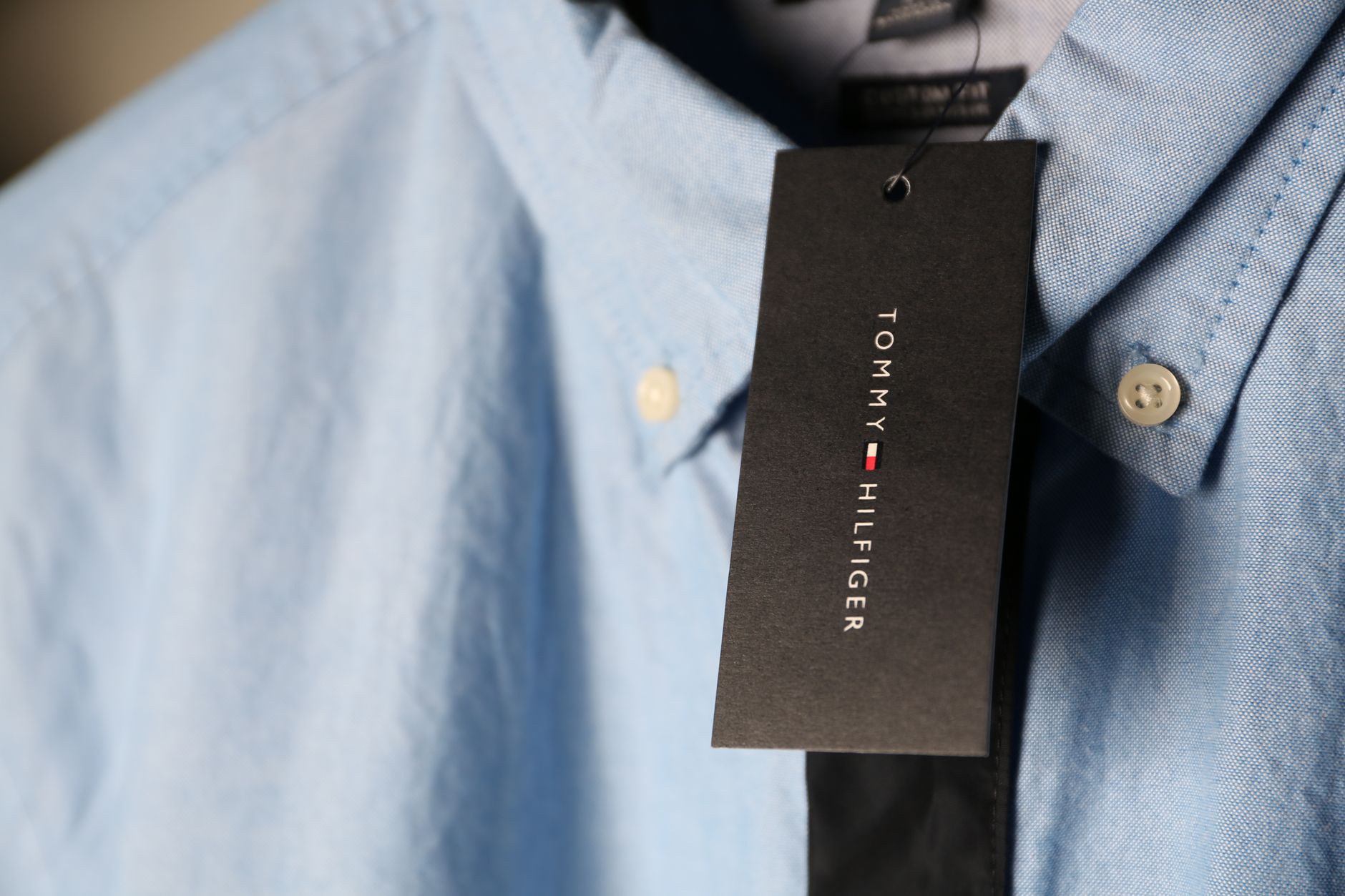
Building a recognisable apparel brand doesn’t happen overnight — but with the right strategy, the right products, and a clear vision for your identity, it’s far more achievable than most Australian organisations realise. Whether you’re a Sydney-based startup looking to kit out your team, a Brisbane primary school preparing for sports day, or a Melbourne corporate events company sourcing uniforms for a high-profile conference, the decisions you make around branded clothing will shape how your organisation is perceived for years to come. Custom apparel is one of the most powerful and enduring forms of promotional marketing, and understanding how to leverage it effectively can make all the difference.
What Does It Mean to Build an Apparel Brand?
When most people hear “apparel brand,” they think of major fashion labels — the kind you see on billboards or in department stores. But in the world of promotional products and branded merchandise, the concept is far more practical and accessible. For Australian businesses, schools, and organisations, building an apparel brand means creating a consistent, recognisable visual identity across your clothing and workwear.
This might look like a Perth construction company equipping their crews in co-ordinated hi-vis workwear with a logo embroidered on the chest. It might be a Canberra not-for-profit dressing their volunteers in matching t-shirts at fundraising events. Or it could be a Gold Coast surf school issuing branded rashies, caps, and polo shirts to instructors. In every case, the goal is the same: create clothing that represents your organisation with pride, consistency, and professionalism.
The Core Elements of a Strong Branded Apparel Strategy
Before you place a single order, it’s worth thinking through a few foundational questions:
- What’s the purpose of the clothing? Is it workwear, event merchandise, team uniform, or a giveaway item?
- Who’s wearing it? Staff, students, customers, volunteers, or event attendees?
- Where will it be worn? Indoors, outdoors, at trade shows, in the field, at school?
- What’s your budget? Per unit costs vary dramatically depending on garment type, decoration method, and quantity.
Getting clear on these points early will save you time, money, and frustration further down the line.
Choosing the Right Products for Your Apparel Brand
One of the most important decisions you’ll make is selecting the right garment types for your goals. The Australian promotional apparel market offers a wide range of options, and each has its strengths depending on your audience and use case.
T-Shirts
Custom t-shirts remain the most popular and cost-effective option for events, schools, and casual promotions. They’re versatile, available in a huge range of colours, and suit screen printing and heat transfer decoration beautifully. A basic cotton tee can often be sourced, decorated, and delivered for well under $20 per unit at reasonable quantities — making them a practical choice for large school events or community groups. For inspiration on how t-shirts can work across different contexts, browse our collection of ideas for text shirts and slogan apparel.
Polo Shirts
Polos are the workwear staple of corporate Australia. They strike the right balance between professional and practical, making them ideal for retail staff, trade show teams, real estate agents, and healthcare workers alike. Embroidery is the preferred decoration method for polo shirts — it’s durable, looks premium, and holds up through hundreds of washes. Women’s cut options are increasingly in demand too; if you’re outfitting a mixed team, don’t overlook work polo shirts for women to ensure comfort and fit across your whole workforce.
Caps and Headwear
Caps are one of the most effective wearable brand assets you can create. They travel everywhere, generate ongoing visibility, and are popular with a wide demographic. For outdoor events, sporting clubs, and school programs, a well-made embroidered cap is hard to beat. They work well as event giveaways too — particularly if you’re running trade show booths or expos, where understanding trade show promotional product effectiveness can help you maximise your return on investment.
Hoodies and Jackets
For school groups, universities, and sporting clubs in cooler climates like Hobart, Canberra, or the Adelaide Hills, hoodies and zip-up jackets are perennial favourites. They tend to carry a higher per-unit cost, but recipients value and keep them for years — giving your brand sustained, long-term exposure.
Hi-Vis and Workwear
For construction, mining, events management, and outdoor sectors, branded hi-vis workwear is non-negotiable. Safety compliance requirements in Australia mean that quality matters here far more than cost-cutting. Always source hi-vis garments that meet the relevant Australian Standards, and work with a supplier who can advise on appropriate certifications.
Decoration Methods: Getting Your Logo Right
The way your logo or artwork is applied to a garment will affect not just the appearance, but the longevity and perceived quality of your apparel brand. Here’s a quick overview of the most common decoration methods:
Screen Printing — Best for large quantities of t-shirts, tote bags, and casual apparel. Cost-effective at scale, with vibrant, durable results. Setup fees apply per colour, so designs with fewer colours are more economical.
Embroidery — The premium choice for polo shirts, caps, and workwear. Embroidery looks professional, lasts for the life of the garment, and communicates quality. Digitisation of your logo is required as a one-time setup cost.
Heat Transfer and DTG (Direct to Garment) — Ideal for complex, full-colour designs or low minimum order quantities. Schools producing individual name items or detailed artwork often use these methods.
Sublimation — Best suited to polyester garments and ideal for all-over print designs. Popular for sporting uniforms and performance wear.
Understanding which method suits your garment and artwork will ensure you get results you’re proud of. If you’re unsure, ask your supplier for a pre-production sample before committing to a full run.
Minimum Order Quantities, Turnaround Times, and Budgeting
These three factors are often the source of the most questions — and the most surprises — when organisations are new to ordering branded apparel.
MOQs (Minimum Order Quantities): For screen-printed t-shirts, most Australian suppliers will require a minimum of 20–50 units per design. Embroidery-decorated items often have lower MOQs, sometimes as low as 6–10 pieces. Custom all-over sublimation garments typically require 50+ units.
Turnaround Times: Standard production and delivery for most custom apparel orders in Australia runs between 10–15 business days after artwork approval. Rush orders are possible but typically attract a surcharge. If you’re ordering for an event, always build in at least 3–4 weeks of lead time to allow for proof approvals, any artwork revisions, and shipping.
Budgeting: It’s easy to underestimate the true cost of a branded apparel order. Beyond the per-unit garment price, factor in artwork setup fees, digitisation costs (for embroidery), freight, and any GST. Many suppliers offer tiered pricing — the more units you order, the lower the unit price — so it’s often worth consolidating orders where possible.
Beyond Apparel: Rounding Out Your Brand Presence
A strong apparel brand rarely exists in isolation. The most effective branded merchandise strategies combine clothing with complementary products that reinforce your identity across every touchpoint. Here are a few categories worth considering alongside your apparel investment:
- Drinkware: Branded keep cups, travel coffee mugs, and top-rated personalised mugs create daily brand touchpoints for staff and clients alike.
- Event Accessories: Items like wristbands for events and branded tablecloths for trestle tables help create a cohesive, polished presence at markets, expos, and community events.
- Eco-Friendly Options: If sustainability is part of your brand values, explore wheat straw branded merchandise or our broader guide to sustainable promotional products to find items that align with your environmental commitments.
- Travel and Lifestyle: Products like toiletry bags and gym towels work well as premium staff gifts or conference packs for travelling teams.
- Personalised Homewares: For client gifting or fundraising, personalised tea towels and wall art prints can extend your brand into everyday life in an unexpected and memorable way.
For event-specific inspiration, our guide to VMA promotional products and event merchandise is a great starting point for organisations planning large-scale activations.
Common Mistakes to Avoid When Building Your Apparel Brand
Even experienced organisations make ordering mistakes. Here are the most common pitfalls and how to sidestep them:
- Ordering without checking sizes: Always request a size breakdown from your team or audience before placing an order. Running out of mediums while drowning in 3XLs is frustratingly common.
- Ignoring fabric quality: A cheap garment that fades, shrinks, or pills after five washes does your brand no favours. Ask for fabric weight specifications and, where possible, request samples.
- Providing low-resolution artwork: Your logo needs to be supplied as a vector file (AI, EPS, or PDF) for best results. Low-res JPEGs will result in blurry, unprofessional outcomes.
- Forgetting about garment colour compatibility: Dark garments require different screen printing processes than light ones, and some decoration methods don’t work on certain fabric types.
- Leaving it too late: This is the single most common mistake. Always start the conversation with your supplier earlier than you think you need to.
Conclusion: Key Takeaways for Building Your Apparel Brand
Creating a strong, consistent apparel brand is one of the most effective long-term investments an Australian business, school, or organisation can make. When executed well, it builds team identity, increases visibility, and communicates professionalism at every interaction.
Here are the key takeaways to keep in mind:
- Define your purpose first — know who’s wearing the clothing, why, and where before selecting products or decoration methods.
- Choose garments and decoration methods that match your use case — embroidery for professional workwear, screen printing for events and casual apparel, sublimation for performance and sporting uniforms.
- Build in plenty of lead time — at least 3–4 weeks before your event or launch date to allow for artwork approval and production.
- Round out your brand presence — pair your apparel with complementary branded products to create a cohesive identity across multiple touchpoints. Consider exploring sustainable promotional items if environmental responsibility aligns with your values.
- Work with a knowledgeable supplier — someone who can guide you through artwork requirements, product selection, and decoration options will save you time and deliver far better results than going it alone.
With the right approach, your apparel brand can become one of your organisation’s most valuable and enduring marketing assets.